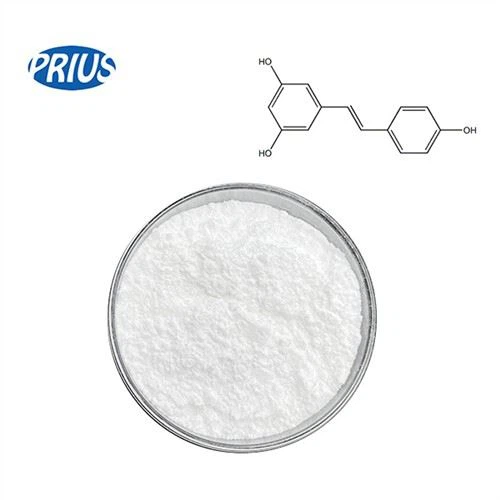


Herbal Extract mainly includes Aloe Vera Extract Aloin, Henna Powder, Belladonna Extract Powder, Turmeric Extract Curcumin and the like.
Belladonna extract is a drug that is mainly used for stomach and duodenal ulcers, gastrointestinal tract, kidney, and biliary colic. Curcumin has been widely used in the food industry as a commonly used natural pigment for a long time, and is mainly used for dyeing canned foods, sausage products, and sauces, and its use amount is determined according to normal production needs. The product form of the functional food containing curcumin as a main component may be a general food or a non-food form such as a capsule, a pill or a tablet. For general food forms, some yellow foods such as pastries, sweets, and drinks can be considered.
Turmeric is a commonly used drug, and its main biologically active ingredients are curcumin and volatile oil. The former has the effects of lowering blood fat, anticoagulation, anti-oxidation, choleretic, anti-cancer, etc.; while the latter mainly plays an anti-inflammatory, anti-bacterial and anti-cough effect. Curcumin exerts its anticancer effect by inducing differentiation of malignant tumor cells, inducing apoptosis of tumor cells and inhibiting tumor growth in various stages, and is widely used clinically.
As one of the manufacturers and suppliers with its own factories and cheap products, PRIUS is one of the best choices for your purchase of Herbal Extract and you must not miss it. Here you can wholesale health and safety products in bulk.
Your Professional Herbal Extract Supplier in China!
Xi'an Prius biological Engineering Co.Ltd is a high-tech export-oriented enterprise which is the combination of research, development, production and sales, it has been devoted to providing high quality health care raw material, cosmetic raw material, herbal extract and food additives.
Quality Raw Materia: To ensure the product quality, we have our own raw material planting base, located deep in the qinling mountains, which provides us with pure natural plant raw materials without pollution and pesticide residues. This helps us ensure supply security and ensure high-quality raw material quality in the long term.
Advance Equipment: We have set up a state-of-the-art Analytical Laboratory to carry out various types of analysis as well as R&D work related to Herbal products. It is equipped with the latest high-performance instruments such as HPLC, UV visible spectrophotometer and Gas chromatography (GC) to keep control on solvent residuals to meet customer’s satisfactions.
Complete Qualifications: We are an ISO9001, GMP, FDA, HALAL, KOSHER and food production license certified company, can process min 3000 MT of raw herbs per year with finishing the product in clean rooms under class 1,00,000 to deliver quality products.
Professional Technical Team: We employs a professional staff of natural product chemists, pharmacognosists, microbiologists and herbalists. Whether you are looking for health care raw material, cosmetic raw material, herbal extract and food additives, we can provide you with high-quality one-stop product services.
-
![Dihydroberberine Powder]() Dihydroberberine PowderBoth powder and capsules are availableview more
Dihydroberberine PowderBoth powder and capsules are availableview more
Product name: Dihydroberberine for sale
CAS Number: 483-15-8
Molecular formula: C20H19NO4
Molecular weight: 337.37 g/mol... -
![3,3'-Diindolylmethane]() 3,3'-DiindolylmethaneReliable B2B supplier of high-purity 3,3'-Diindolylmethane (DIM) powder (CAS 1968-05-4). Premium raw material for hormone balance, sports nutrition, and women's health supplements.view more
3,3'-DiindolylmethaneReliable B2B supplier of high-purity 3,3'-Diindolylmethane (DIM) powder (CAS 1968-05-4). Premium raw material for hormone balance, sports nutrition, and women's health supplements.view more -
![Peppermint Oil]() Peppermint OilAppearance:Colorless or slightly yellowish clear liquidview more
Peppermint OilAppearance:Colorless or slightly yellowish clear liquidview more
Total Alcohol Content:≥50%
Custom Service Available -
![Mucuna Pruriens Extract]() Mucuna Pruriens ExtractHerbal Extractview more
Mucuna Pruriens ExtractHerbal Extractview more
Form Powder
Levodopa≥ 20.00%
Used Part:seed
Extract Solvent:Water/Ethanol -
![Laminaria Japonica Extract]() Laminaria Japonica ExtractProduct Name: Thallus Laminariaeview more
Laminaria Japonica ExtractProduct Name: Thallus Laminariaeview more
Used Part: Whole Plant
Appearance: Brown yellow powder
Custom Service Available -
![Ivy Leaf Extract]() Ivy Leaf ExtractCertificate: FDA, Hala,Iso9001,Kosherview more
Ivy Leaf ExtractCertificate: FDA, Hala,Iso9001,Kosherview more
Part Used: Stem and leaf
Free Sample available
Active Ingredient: Ivy Saponin
Specification: 10:1 20:1, 5%-20%
Test... -
![Echinacoside]() EchinacosideProduct Name: cistanche deserticola extractview more
EchinacosideProduct Name: cistanche deserticola extractview more
Specification:Echinacoside>10%-40%,Acteoside>4%-16%
Appearance: powder.
OEM ODM Available.
Capsule and other forms are... -
![Cats Claw Extract]() Cats Claw ExtractBotanical Name: Uncaria Tormentosaview more
Cats Claw ExtractBotanical Name: Uncaria Tormentosaview more
Part Used: Inner Bark
Appearance: Brownish Fine Powder
Active Compounds: Alkaloids, polyphenols
Forms Available: Supplements... -
![Moringa Oleifera Leaf Powder]() Moringa Oleifera Leaf PowderGrade:Food/Medicine Gradeview more
Moringa Oleifera Leaf PowderGrade:Food/Medicine Gradeview more
Appearance:Brown Yellow Powder
Used Part:Leaf
Specification:10:1 20:1
OEM ODM Available -
![Wogonin]()
-
![Lemon Balm Extract]() Lemon Balm ExtractExtraction Type: Solvent Extractionview more
Lemon Balm ExtractExtraction Type: Solvent Extractionview more
Appearance: Brown Powder
Specification: 4:1-20:1
Active Ingredient: Rosmarinic Acid
Certificate: ISO9001/Halal/Kosher
Custom... -
![Thymoquinone]() ThymoquinoneOther Name:Nigella sativa extract,Black cumin seed extract.view more
ThymoquinoneOther Name:Nigella sativa extract,Black cumin seed extract.view more
Active Ingredient:Thymoquinone
Specification:5%, 10%, 20%
Available in powder, oil and capsules....


Although herbal extracts come in many forms, they have one common feature. Extracts represent naturally occurring phytochemicals (plant produced compounds) that have been removed from the inert structural material of the plant that produced them. The main advantage of using extracts over raw herb is that once extracted from the plant matrix, the phytochemicals bypass the need for digestion and are far more readily absorbable. Liquid extracts also offer greater convenience than consuming an herb in its raw form.
Extracts are typically categorized by the solvent used to make them and/or by their form. Some of the more common solvents that are used include water, alcohol, glycerin, and vinegar. The inherent qualities of each of these solvents will attract different phytochemicals in an herb. Watery extracts made by infusion or decoction are used as teas, rinses and the base for syrups and other products.
Tinctures are liquid extracts made with alcohol and may include other food-grade solvents. Alcohol extracts a wide range of phytochemicals and is an excellent preservative. It may also be diluted with water to adjust alcohol content and glycerin may be added to curb excessive precipitation of the finished extract.
Food-grade glycerin is a low glycemic index sweetener often used as a solvent to make alcohol-free liquid extracts. While most glycerites lack appreciable alcohol, intermediate extraction may be carried out with alcohol on occasion. In this case alcohol is used to form the initial extract, and is then removed from the finished product with glycerin added in its place.
Vinegars are not common, but are experiencing a bit of resurgence in popularity. These are made by extracting herbs directly in vinegar. Apple cider or other plant based vinegars are most desirable in this case.
Oils are fatty oils that have been infused with herbs for topical use and may be called herbal oils or infused oils. The fatty oil used as a base is commonly from olive, sesame or coconut, although many other sources may be used.
Essential oils are the volatile components that have been separated from an aromatic herb. Quality essential oils are either steam distilled or, in the case of herbs like citrus peel, pressed directly from the fresh herb. Essential oils are very strong preparations and are well diluted for internal use.
Powdered extracts are formed by drying liquid extracts including tinctures and water extracts, often under vacuum. Powdered extracts are most commonly used in capsules and tablets. Because the solvent is removed from the final product, some powdered extracts are made with solvents other than ethanol and water. Solvent labeling is not required on powdered extracts, but transparent labeling will include the solvent(s) used. Traces of solvents will remain in the extract, which should be tested.
Supercritical extracts are made by extracting herbs with a gas, usually carbon dioxide, at low temperature and high pressure to bring it into the supercritical state. These are semi-solid extracts representing the fat-soluble components of an herb that are generally seen in softgel form.
4 Major Types of Herbal Extracts
The single herbal extract is processed from organic products, sourced from certified organic farms. For the cultivation of such herbs, it is important to keep in mind that the climatic conditions are very much favourable for its growth in terms of quality and quantity. Further, to extract the medicinal properties of the herb, extraction using organic alcohol of grapes is used.
The combination herbal extracts are widely demanded in the market for its high quality results in the application area, may it be medicine or food. In the extraction or manufacturing process, no grain or corn is used, thus making these herbal extracts good to be used by individuals allergic to gluten or other allergen sensitivities.
The Liquid Herbal Extracts is the most common type and available in every household. The herbal extracts are in huge demand due to their long shelf life. The Liquid Tinctures are very convenient to use and are mostly available in diluted form. During the extensive method of extraction, utmost care is taken care of the herbs and its oils. The manufacturers also make sure to make the extracts safe for individuals with gluten allergies. Thus, no grain or corn is used in the process.
The Glycerites, commonly known as the Glycerin Herbal Extracts, are extensively used in preparations of medicines and supplements ideal for consumption by kids and pets. It possesses natural nectar like sweetness. In the extraction process, instead of alcohol, glycerin is used. Moreover, these herbal extracts are also prescribed for individuals having liver issues. The only setback of these extracts is short lifespan as and when compared to that of the alcohol-based herbal extracts. The final product is thick and syrupy in consistency carrying a sweet taste.
Top Service Industries
Herbal extracts are well taken by people who are allergic to components in prescription drugs. Herbs are known to have rarer side effects even if they are taken for a longer duration and enhance overall wellness.
Some of herbal extracts are available as over-the-counter medicines that do not require a prescription. It is said that supplements made of peppermint, chamomile, basil, turmeric, honey, garlic, ginseng, amla, and licorice are quite famous and fast-moving supplements that may help treat cough, cold, flu, inflammation, pain, etc.
Another greatest benefit is that the phytochemicals are potent and highly absorbable. Plants have always had strong healing properties, which is why a diet rich in a variety of colorful vegetables, fruits, and fresh-cut herbs have benefited many people suffering from chronic illness.
Some herbal extracts are widely recommended that may help treat infertility issues, white pepper, and fenugreek may help keep blood sugar under check.
Certain herbs offer a highly customizable and targeted approach to health. These extracts may provide targeted healing properties for specific health concerns, combining various products for optimal healing.
The liquid tinctures are versatile in nature. One can take them straight from the bottle using a dropper, added to foods or beverages, and also can combine them with other botanical extracts to create healing elixirs, syrups, teas, salves, essential oils, and more.
Some herbal extracts may help boost immunity without having side effects and are more effective in providing symptomatic relief, especially while fighting allergies.
One of the significant benefits of herbal extract is its affordability. These extracts are inexpensive, pocket-friendly, and available without a prescription.

Extracts, and specifically tinctures or glycerites, are used for several reasons.
While there are instances in which you would use or consume herbs in their whole form, it would take a lot of one herb to get a health-boosting effect (as opposed to just using herbs to flavor food or drinks).
By extracting the properties of herbs into a solvent, the herbs effectively become more concentrated. Even just making a simple cup of tea means you are getting more herbal compounds than you would get by consuming the herbs whole.
Tinctures and glycerites, which are much more concentrated than herbal tea, also have the benefit of being convenient and shelf stable. Just a few drops of either one can equal or surpass the amount of herb you would get in tea, and they can last for years if prepared correctly.
As a bonus, many plant compounds are made more available to your body when extracted. This isn't true in every case, but you will often absorb more of an extract than a whole herb that has to be digested and broken down by your body.
Finally, tinctures are usually the best way to take herbs that don't taste great. It would be difficult to drink a whole cup of tea made from a very bitter herb, but you can easily hide a few drops of tincture in something more pleasant tasting.
Important Technologies Used in the Processing of Herbal Materials
The rising demand for industrial hemp and the proliferation on the market of CBD products have increased demand for supercritical and subcritical CO2 extraction methods. Both subcritical and supercritical carbon dioxide serve as a highly “tunable” solvent that can be manipulated to target specific components in the plant biomass without exposing delicate compounds to high temperatures. After extraction, the carbon dioxide evaporates, leaving a residue-free crude extract. While CO2 extraction is in extreme demand for CBD processing, it is also useful for other herbs. Other good herbal candidates for CO2 extraction include florals such as lavender and jasmine, as well as aromatics like sandalwood and patchouli.
This process is used to gently concentrate a targeted substance and separate unwanted constituents, typically under vacuum conditions. Like CO2 extraction, this distillation method is suitable for temperature-sensitive compounds. When CO2 is used with an additional solvent modifier such as GMP-compliant ethanol, a distillation process such as falling film distillation is needed to remove and reclaim the solvent. This produces a solvent-free botanical extract, and the ethanol can be reused.
Decarbing is an essential step in hemp and CBD processing, necessary for converting phytocannabinoids from the acidic forms in the raw plant to their bioactive forms that make them available to the human endocannabinoid system when consumed. Hemp’s valuable component, cannabidiol, exists as cannabidiolic acid (CBDA) in its natural state. After extraction, and subsequent distillation if solvent modifiers are used, the crude is exposed to specific temperatures, for an optimal period of time, to break off the acid from the CBDA, leaving CBD.
High performance liquid chromatography (HPLC) and gas chromatography (GC) are must-have quality control testing capabilities for herbal extraction processes. Botanical extracts are products of plant biomass, and potential contaminants can include pesticides and other chemicals, heavy metals, and residual solvents. The extraction process can create a risk of concentrating contaminants in the extract form-which flies in the face of the health-conscious ideal of consumers for these products. Consumers also want to know as much as possible about product potency. HPLC analysis can identify, isolate, and measure concentrations of the various constituents of an extract, and GC can detect undesirable residual solvents. Finally, because tetrahydrocannabinol (THC), another compound found in some cannabis products, is illegal at the federal level, CBD and hemp products sold in most states must not include THC at a concentration above 0.3%. Both the raw biomass and the final product are tested to ensure regulatory compliance. HPLC testing can verify compliant and non-detectable THC concentrations.
Consumer demand is the driving force behind the growth in herbal and botanical extracts, so the quicker and more efficiently those extracts can be blended into formulations, bottled, and packaged, the sooner they can capture market share. Many toll processors can perform extraction techniques and return high-quality crude to the customer, often in bulk formats like pails or jugs. That leaves the customer with the tasks of formulating, blending, bottling, labeling, and packaging before final products are ready for consumer purchase, where they can command the greatest margin. A toll processor with all these capabilities, plus scientific expertise under one roof, can help producers get from biomass to bottled extract in less time, with greater efficiency and a smaller energy footprint, while achieving cost savings by eliminating extra logistical and shipping steps. But be sure to look for an FDA-registered facility that includes GMP-certified production lines, quality systems including FSSC 22000 and ISO 9001 certifications, and certified analytical testing (such as Emerald Test for CBD and hemp products).
Our Certificates


Company Member Image
Our company is a young team composed of people born in the 1990s. The working atmosphere is relaxed and harmonious, and colleagues are united and friendly. We look forward to your cooperation with us to realize our dreams together!

Common Problem of Herbal Extract
Q: What is the difference between herbs and herbal extracts?
Q: What is herb extract in food?
Q: How do you make herbal extract?
Q: Can you drink herbal extract?
Q: Are herbal extracts effective?
Q: Do herbal extracts work?
Q: What does it mean when ingredients say extract?
Q: What does extract mean in ingredients?
Q: How do you use herbal extract?
Q: How much alcohol is in herbal extracts?
Q: What is the difference between an herbal extract and a tincture?
Q: What are liquid herbal extracts?
Q: Do herbal extracts need to be refrigerated?
Q: Why is there alcohol in herbal extracts?
Q: How long does herbal extract last?
Q: Are herbal extracts better than capsules?
Q: Are herbal extracts the same as essential oils?
Q: Is herbal extract good for skin?
Q: What are herbal extracts made of?
Q: Are herbal tinctures safe?
As one of leading herbal extract manufacturers and suppliers in China, we warmly welcome you to buy high quality herbal extract at cheap price from our factory. Good wholesale and customized service are available for bulk products in stock.
Red Clover Powder, Trifolium Pratense Extract, Echinacea Angustifolia Extract