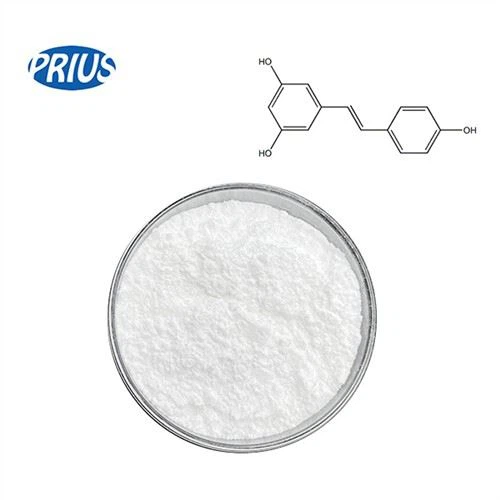


Health Care Raw Material includes Kacip Fatimah Extract, Valerian Root Extract Valeric Acid, Garcinia Cambogia Powder, Peganum Harmala Extract Harmine, Guava Leaf Extract, Damiana Extract, Papaya Extract and the like.
Valerian Acid works extract works like a sedative helping you to relax,and to sleep deeply and restfully, reducing night awakeningsas well as increasing dream recall the next day. It is also sometimes used for relief from anxiety and stress. It has also been found to be useful for cramping, dysmenorrhea, rheumatic pains, epilepsy, and nerve related high blood pressure.
Garcinia Cambogia has attracted attention because of its anti-obesity effect. Humans began to study it decades ago, and the active ingredients and structure have gradually become clear, and are now being used as diet foods.
The pharmacological effects of Peganum harmala are very extensive, mainly affecting the central nervous system, cardiovascular system, muscles, and ion channels, as well as antibacterial and hypothermic effects.
Guava leaves have cancerous lesions caused by the destruction of cells, avoid the occurrence of arteriosclerosis, resist infection, and maintain normal blood pressure and heart function.
As one of the manufacturers and suppliers with its own factories and cheap products, PRIUS is one of the best choices for your purchase of Health Care Raw Material and you must not miss it. Here you can wholesale health and safety products in bulk.
Your Professional Health Care Raw Material Supplier in China!
Xi'an Prius biological Engineering Co.Ltd is a high-tech export-oriented enterprise which is the combination of research, development, production and sales, it has been devoted to providing high quality health care raw material, cosmetic raw material, herbal extract and food additives.
Quality Raw Materia: To ensure the product quality, we have our own raw material planting base, located deep in the qinling mountains, which provides us with pure natural plant raw materials without pollution and pesticide residues. This helps us ensure supply security and ensure high-quality raw material quality in the long term.
Advance Equipment: We have set up a state-of-the-art Analytical Laboratory to carry out various types of analysis as well as R&D work related to Herbal products. It is equipped with the latest high-performance instruments such as HPLC, UV visible spectrophotometer and Gas chromatography (GC) to keep control on solvent residuals to meet customer’s satisfactions.
Complete Qualifications: We are an ISO9001, GMP, FDA, HALAL, KOSHER and food production license certified company, can process min 3000 MT of raw herbs per year with finishing the product in clean rooms under class 1,00,000 to deliver quality products.
Professional Technical Team: We employs a professional staff of natural product chemists, pharmacognosists, microbiologists and herbalists. Whether you are looking for health care raw material, cosmetic raw material, herbal extract and food additives, we can provide you with high-quality one-stop product services.
-
![Wheat Extract Spermidine]() Wheat Extract SpermidineBoth Capsules And Powder Are Available.view more
Wheat Extract SpermidineBoth Capsules And Powder Are Available.view more
98% liquid form and 1% powder form are available.
1.Specification:1% and 98%
2.CAS:124-20-9
3.Appearance: off white to white... -
![L Ergothioneine Powder]() L Ergothioneine PowderBoth custom capsules and powder are availableview more
L Ergothioneine PowderBoth custom capsules and powder are availableview more
COA,C-NMR Spectrum,H-NMR Spectrum Available.
1.Sample: Available
2.CAS:497-30-3
3.Appearance:White powder... -
![5-deazaflavin Powder]() 5-deazaflavin Powder1.98% purityview more
5-deazaflavin Powder1.98% purityview more
2.CAS 26908-38-3
3.light yellow powder
4.500kg in stock
4.Lower price and highest quality
5.Free sample availbale
6.Contact us and you will... -
![Ferrous Succinate]() Ferrous SuccinateCAS:10030-90-7view more
Ferrous SuccinateCAS:10030-90-7view more
Molecular Formula:C4H4FeO4
Molecular Weight:171.91716
Enterprise standards -
![Undenatured Type 2 Collagen]() Undenatured Type 2 CollagenSynonym: UC-IIview more
Undenatured Type 2 CollagenSynonym: UC-IIview more
Certifications:ISO,Kosher,Halal,HACCP
OEM ODM available
Custom capsule available -
![Pyridoxal 5 Phosphate]() Pyridoxal 5 PhosphateSynonym:P5Pview more
Pyridoxal 5 PhosphateSynonym:P5Pview more
CAS NO.: 853645-22-4
Molecular formula: C8H10NO6P
Molecular weight: 247.14
Specification:99%
Appearance: Slightly Yellow or Off-White Powder... -
![Dihydrohonokiol B]() Dihydrohonokiol BMain Ingredient :dihydrohonokiol powderview more
Dihydrohonokiol BMain Ingredient :dihydrohonokiol powderview more
Test Method:HPLC
Sample:10-20g Avaliable
Our certification: ISO,HACCP,HALAL,KOSHER
Application:Food&beverage
OEM&ODM:... -
![Paraxanthine Powder | Free Sample]() Paraxanthine Powder | Free SampleCAS :611-59-6view more
Paraxanthine Powder | Free SampleCAS :611-59-6view more
OEM ODM available
Custom supplement available
Other names: 1,7-Dimethylxanthine; 3,7-dihydro-1,3,7-trimethyl-1H-purine-2,6-dione; p-xanthine;... -
![Nicotinamide riboside hydrogen malate]() Nicotinamide riboside hydrogen malateSynonym:Nicotinamide riboside malateview more
Nicotinamide riboside hydrogen malateSynonym:Nicotinamide riboside malateview more
CAS:2415659-01-5
Molecular Formula:C15H20N2O10
Molecular Weight:388.33
Specification:99%
OEM ODM Available
Related... -
![Fish Collagen Powder]() Fish Collagen PowderDeep Sea Marine Fish Collagen Powderview more
Fish Collagen PowderDeep Sea Marine Fish Collagen Powderview more
Certification: ISO9001, US FDA Registration
Molecular Weight:≤1500 Dalton
Odor And Taste: Neutral Odor And Taste
Water... -
![1 Octacosanol]() 1 OctacosanolPRODUCT NAME:OCTACOSANOL 60% - POLYCOSANOLview more
1 OctacosanolPRODUCT NAME:OCTACOSANOL 60% - POLYCOSANOLview more
CAS :142583-61-1
EXTRACTION SOLVENT:Ethanol-Water
Molecular Formula: C28H58O
Molecular Weight: 410.77 -
![DHA Powder]() DHA PowderPowder form and oil formview more
DHA PowderPowder form and oil formview more
OEM ODM available
Custom capsules available.
CAS NO: 6217-54-5
Standard: USP or EP
Sample: Free Sample for Test
Test Method:...


What is Health Care Raw Material?
Common Examples of Health Care Raw Material Wheat Germ Spermidine.
Description
Wheat germ is an incredibly nutritious ingredient that has seen a huge boom in popularity in recent years, finding its way into nearly every health-oriented diet. It has a nutty taste and can be added to nearly any dish. Unfortunately, many people are allergic to wheat or try to avoid it altogether. For these people, there are wheat germ substitutes that provide many of the same health benefits. Wheat germ provides numerous health benefits, as it’s the heart of the wheat berry. Two tablespoons are just 45 calories with 1 gram of unsaturated fat and 2 grams of dietary fiber, 10% of the recommended daily value of folate, 8% of your recommended daily value of phosphorus, magnesium, and zinc, 15% of your vitamin E, and 10% of your thiamin requirements. It’s also cholesterol and sodium-free.
Benefits of Wheat Germ Spermidine
- A source of antioxidants: Wheat germ is loaded with vitamin E, which is a very powerful antioxidant. These antioxidants help fight off free radicals, which can cause a great deal of damage if left unchecked.
- A face cleaner: Wheat germ oil, a popular product in the skincare industry, can be used to efficiently clean the face. This is because it helps seal moisture back and also gets rid of excess sebum, which can cause acne, pimples, and blackheads.
- It lowers cholesterol: Wheat germ contains Octacosanol, which is a fatty acid that affects fat metabolism, effectively decreasing cholesterol production. It can help lower the levels of LDL (the bad cholesterol) in your body.
- Scarring treatment: Since wheat germ oil contains so much vitamin E, it can help build collagen, which provides the skin with the strength and structure to properly heal scars.
- Hair nourisher: Wheat oil is rich in linoleic acid, which can act as a hair nourisher.
- Anti-aging properties: Vitamins such as vitamin B6, Folic acid, and vitamin E, all of which can be found in wheat oil, provide anti-aging benefits for the skin.
Where do You Get Spermidine From?
Spermidine is present in many of the foods we eat. But it's particularly high in certain vegetables and fermented products:
- Wheat germ: Wheat germ is one of the richest dietary sources of spermidine. It is the embryo of the wheat kernel and is often available as a standalone product or as an ingredient in baked goods, cereals, and smoothies.
- Soybeans: Soybeans and soy-based products, such as tofu and soy milk, contain significant amounts of spermidine. These versatile legumes can be incorporated into various dishes and are commonly used in vegetarian and vegan diets.
- Mushrooms: Certain types of mushrooms, such as shiitake, portobello, and oyster mushrooms, contain notable amounts of spermidine. They can be enjoyed in soups, stir-fries, salads, or grilled as a side dish.
- Peas: Peas, including green peas and yellow split peas, are good sources of spermidine. They can be used in salads, stews, curries, or enjoyed as a side dish.
- Corn: Corn kernels and products made from corn, such as polenta or cornmeal, contain spermidine. Corn can be grilled, boiled, roasted, or added to various recipes as a versatile ingredient.
- Broccoli: Broccoli is a cruciferous vegetable that contains spermidine along with other beneficial compounds. It can be steamed, saueed, roasted, or added to salads and stir-fries.
- Spinach: Spinach and other leafy greens, like kale and Swiss chard, contain spermidine. These greens can be consumed raw in salads or cooked in various dishes like soups, stews, and sautes.
- Natto: Natto is a traditional Japanese food made from fermented soybeans. It is particularly rich in spermidine and is often enjoyed as a breakfast food or added to rice dishes.
Black Maca Root Extract
Maca, also called Ginseng Andin, Peruvian Ginseng, Lepidium meyenii, or Lepidium peruvianum, is a relative of radish and smells similar to butterscotch. Maca is a plant that grows on the high plateaus of the Andes Mountains. It's been cultivated as a root vegetable for at least 3000 years. The root is also used to make medicine, but there isn't enough reliable information available to know how maca might work. People take maca by mouth for male infertility, health problems after menopause, increasing sexual desire in healthy people, and other purposes, but there is no good scientific evidence to support any of these uses.
Benefits of Black Maca Root Extract
- Increasing libido: The most well-known benefit of maca root is its potential to increase libido. There is some scientific evidence to support this claim. For example, an older study from 2002Trusted Source found that men who took 1.5 or 3 grams (g) of maca per day experienced increased libido compared to those who received a placebo.
- Reducing erectile dysfunction: Maca root could also have benefits for people with erectile dysfunction (ED). A small study in 2009Trusted Source looked at the effect of consuming 2.4g of maca root per day for 12 weeks on participants’ perception of their general and sexual well-being. The study participants were males with mild ED. Those taking maca root experienced a more significant increase in sexual well-being than those taking a placebo.
- Boosting energy and endurance: Some athletes and bodybuilders use maca root as a supplement to increase energy and performance. Some evidence exists to support this. A pilot study in 2009 found that using maca extract for 14 days improved performance for male cyclists in a 40-kilometer time trial. However, the results were not significantly different from the improvement seen in those taking a placebo. However, the same study found that maca extract improved libido in the participants who used it. However, the sample size of this study was very small, so more research is needed to confirm the results.
- Increasing fertility: Another widespread use of maca root is to increase fertility, particularly in men. A 2016 reviewTrusted Source found some evidence that maca root may increase semen quality in both fertile and infertile men. However, more research is needed.
- Improving mood: Maca contains flavonoids, which are thought to improve mood and reduce anxiety. A study in 14 postmenopausal women found that maca may reduce feelings of anxiety and depression. Also, a 2015 studyTrusted Source found that maca could reduce symptoms of depression in Chinese postmenopausal women.
- Reducing blood pressure: It is possible that maca root can also help to improve blood pressure. The same 2015 studyTrusted Source also found that 3.3g of maca per day for 12 weeks lowered blood pressure in Chinese postmenopausal women.
- Reducing sun damage: An older studyTrusted Source in an animal model found that maca might help protect the skin from UV rays. Another animal study in 2011Trusted Source found that extracts from maca leaves might help prevent the formation of sunburn cells.
- Fighting free radicals: Maca root also promotes natural antioxidants in the body, such as glutathione and superoxide dismutase. Antioxidants help to fight off free radicals, which can damage cells in the body. Some people believe antioxidants can help prevent some health conditions, including heart disease and cancer.
- Reducing menopause symptoms: Some proponents of maca root believe it may help balance levels of the hormone estrogen. During perimenopause, the stage before a woman reaches menopause, estrogen levels fluctuate and cause a variety of symptoms. One studyTrusted Source found that postmenopausal women who took two daily tablets containing maca experienced reduced symptoms, such as hot flashes and night sweats.
- Improving learning and memory: There is some evidence to suggest that maca can improve learning and memory. For example, a 2011 study found that maca could improve memory in mice. A 2014 review of the literature suggested that maca may have benefits for learning and memory performance. Researchers suggested that it could be helpful in treating conditions that affect these processes, such as Alzheimer’s disease. However, only research on animal models is currently available, so it is unclear whether maca will have the same benefits in humans.
Side Effects of Black Maca Root Extract
Maca root does not typically have negative side effects. In clinical trials, maca root has been described as safe and generally well-tolerated by those who ingested the plant. Although uncommon, some side effects might include mild gastrointestinal symptoms or headaches.
Special Precautions and Warnings
When taken by mouth: Maca is likely safe for most people when eaten in foods. Maca is possibly safe when taken in larger amounts as medicine, short-term. Doses up to 3 grams daily seem to be safe when taken for up to 4 months. Pregnancy and breast-feeding: There isn't enough reliable information to know if maca is safe to use when pregnant or breast-feeding. Stay on the safe side and stick to food amounts.
Hormone-sensitive conditions such as breast cancer, uterine cancer, ovarian cancer, endometriosis, or uterine fibroids: Extracts from maca might act like estrogen. If you have any condition that might be made worse by estrogen, do not use these extracts.
Haematococcus Pluvialis Extract

Description
Haematococcus pluvialis, a green microalga, appears to be a rich source of valuable bioactive compounds, such as astaxanthin, carotenoids, proteins, lutein, and fatty acids (FAs). Astaxanthin has a variety of health benefits and is used in the nutraceutical and pharmaceutical industries. Astaxanthin, for example, preserves the redox state and functional integrity of mitochondria and shows advantages despite a low dietary intake. Because of its antioxidant capacity, astaxanthin has recently piqued the interest of researchers due to its potential pharmacological effects, which include anti-diabetic, anti-inflammatory, and antioxidant activities, as well as neuro-, cardiovascular-, ocular, and skin-protective properties. Astaxanthin is a popular nutritional ingredient and a significant component in animal and aquaculture feed.

Health Benefits of Haematococcus Pluvialis Extract
Haematococcus pluvialis is a dietary supplement that has many health benefits. It is a rich source of astaxanthin, a powerful antioxidant that helps protect cells from damage caused by free radicals. It also has anti-inflammatory properties, which can help reduce inflammation in the body. Additionally, it may help improve cardiovascular health, reduce the risk of certain types of cancer, and improve cognitive function. It may also help improve skin health, reduce the risk of age-related macular degeneration, and improve eye health.

Dangers of Haematococcus Pluvialis Extract
Haematococcus pluvialis is a dietary supplement derived from a type of green algae. It is rich in astaxanthin, a powerful antioxidant that has been linked to a variety of health benefits. However, it is important to note that this supplement has not been evaluated by the Food and Drug Administration and may pose certain risks. Some potential side effects include nausea, vomiting, diarrhea, and abdominal pain. Additionally, it may interact with certain medications, such as blood thinners, and may cause an allergic reaction in some people. It is important to consult with a healthcare professional before taking this supplement to ensure it is safe for you.
Astaxanthin produced by H. pluvialis is in a form that is highly bioavailable and potent. The alga's unique ability to accumulate high levels of astaxanthin makes it an excellent candidate for commercial cultivation. It has been extensively studied and used in various industries, including pharmaceuticals, nutraceuticals, and aquaculture, due to its rich antioxidant properties.
High Concentration of Natural Astaxanthin: H. pluvialis is known as one of the richest natural sources of astaxanthin, capable of accumulating large quantities of this antioxidant compared to other organisms.
Rich in Bioactive Compounds: Besides astaxanthin, it contains other valuable bioactive compounds like carotenoids, proteins, lutein, and fatty acids, enhancing its nutritional profile.
Adaptability to Stress: The alga undergoes structural changes under stress, significantly increasing its astaxanthin content during the transition from green to red phase.Superior Antioxidant Properties: Astaxanthin from H. pluvialis has stronger antioxidant activity than other carotenoids like beta-carotene, lycopene, and lutein.
Safety and Regulatory Approval: Astaxanthin derived from H. pluvialis has been recognized as safe for human consumption and as a feed additive in various industries.
Enhancement of Aquaculture and Animal Feed: It's used as a natural feed additive in aquaculture, improving the quality and coloration of seafood and enhancing growth performance in fish and poultry.
Cardiovascular Health Benefits: Astaxanthin from H. pluvialis has been found to delay LDL oxidation, which is beneficial for heart health.
Sustainability: Cultivation of H. pluvialis for astaxanthin production can be done sustainably, ensuring a consistent and environmentally friendly supply.
Versatility in Applications: This source of astaxanthin is versatile, finding applications in the food industry, pharmaceuticals, nutraceuticals, and cosmetics due to its potent antioxidant and health-promoting properties.
Consumer Preference for Natural Sources: There is a growing consumer demand for natural supplements, making astaxanthin from H. pluvialis a popular choice due to its natural origin and efficacy.
Selecting the Right Raw Materials for Health Care Products
Is There Enough Information to Support the Safety of the Material Selected (As Well As Its By-Product[s])?
For example, is the raw material commonly used in the regulated industry (that is, is it “generally recognized as safe” [GRAS] material)? Is it known to have toxicological concerns (for example, carcinogenetic potential)?
Would the Raw Material Lead to Any Pharmaceutical Response or is it Considered an Inert Substance?
For pharmaceutical products, does it raise questions about interaction with your drug substance? For medical devices, does it change your product from a medical device to a combination product (which would lead to different regulatory requirements and pathways)? If yes, is there a different agent that could help you avoid a more difficult pathway?
Is the Supply of This Material Limited?
If so, can it be replaced with another raw material? If not, it is critical to ensure the supply of this material (have a contract with the supplier or identify an alternate supplier) so that no shortages affect the manufacture of your healthcare product during clinical or commercialization phases.
Is the Material Compatible With Your Finished Product?
For instance, in pharmaceutical products, the excipients can comprise more than 90% of a product’s weight. Therefore, evaluate the compatibility of the ingredients that may contribute to the quality (for example, hardness, dissolution rate) of the dosage form.
Is the Ingredient Available as a Pharmacopeial Grade or Medical Grade?
If it is, does it meet the requirements in the targeted jurisdiction? If not, can it be substituted by another ingredient?
Our Certificates


Company Member Image
Our company is a young team composed of people born in the 1990s. The working atmosphere is relaxed and harmonious, and colleagues are united and friendly. We look forward to your cooperation with us to realize our dreams together!

Common Problem of Health Care Raw Material
Q: What are the benefits of wheat germ spermidine?
Q: Which wheat germ has the most spermidine content?
Q: What is the best source of spermidine?
Q: What are the cons of wheat germ?
Q: Is wheat germ and spermidine the same thing?
Q: Is too much wheat germ bad for you?
Q: Which is better for you flaxseed or wheat germ?
Q: Who should avoid wheat germ?
Q: What is black maca root powder good for?
Q: Can you gain weight eating wheat germ?
Q: What are the side effects of black maca?
Q: What is the difference between black maca powder and maca powder?
Q: Is black maca a stimulant?
Q: Is it OK to take maca powder everyday?
Q: Who should avoid maca?
Q: Is it better to take black maca in the morning or at night?
Q: Is Black maca the same as Ashwagandha?
Q: What is Haematococcus pluvialis good for?
Q: Where is Haematococcus pluvialis found?
Q: Is astaxanthin and spirulina the same thing?
As one of leading health care raw material manufacturers and suppliers in China, we warmly welcome you to buy high quality health care raw material at cheap price from our factory. Good wholesale and customized service are available for bulk products in stock.
GABA CAS 56 12 2, Tomato Extract Powder, passion flower supplement