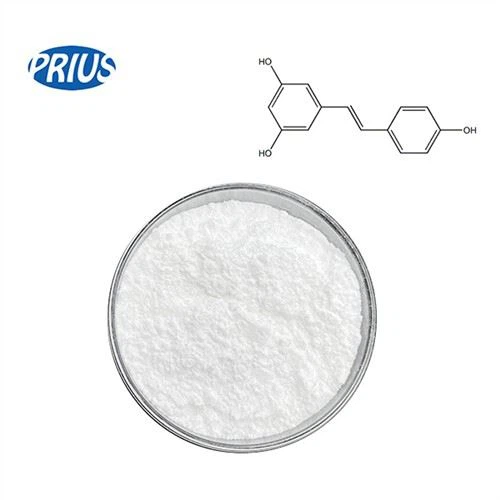


Food additives are non-nutritive substances that are consciously added to foods in small amounts to improve the appearance, flavor and texture or storage properties of the food.
Food additives have greatly promoted the development of the food industry and have been hailed as the soul of the modern food industry, mainly because it brings many benefits to the food industry.
Preservatives can prevent food spoilage caused by microorganisms, prolong the shelf life of foods, and also prevent food poisoning caused by microbial contamination. Another example: antioxidants can prevent or delay the oxidative deterioration of foods to provide food stability and storage, while also preventing the formation of auto-oxidation substances that may be harmful. In addition, it can also be used to prevent enzymatic browning and non-enzymatic browning of foods, especially fruits and vegetables. These have a certain meaning for the preservation of food.
Appropriate use of coloring agents, color-protecting agents, bleaching agents, flavorants, and food additives such as emulsifiers and thickeners can significantly improve the sensory quality of foods and meet the different needs of people.
Appropriate addition of certain food nutrition enhancers belonging to the natural nutrient range during food processing can greatly improve the nutritional value of foods, which is of great significance for preventing malnutrition and nutrient deficiencies, promoting nutritional balance and improving people's health.
As one of the manufacturers and suppliers with its own factories and cheap products, PRIUS is one of the best choices for your purchase of Food Additives and you must not miss it. Here you can wholesale health and safety products in bulk.
Your Professional Food Additives Supplier in China!
Xi'an Prius biological Engineering Co.Ltd is a high-tech export-oriented enterprise which is the combination of research, development, production and sales, it has been devoted to providing high quality health care raw material, cosmetic raw material, herbal extract and food additives.
Quality Raw Materia: To ensure the product quality, we have our own raw material planting base, located deep in the qinling mountains, which provides us with pure natural plant raw materials without pollution and pesticide residues. This helps us ensure supply security and ensure high-quality raw material quality in the long term.
Advance Equipment: We have set up a state-of-the-art Analytical Laboratory to carry out various types of analysis as well as R&D work related to Herbal products. It is equipped with the latest high-performance instruments such as HPLC, UV visible spectrophotometer and Gas chromatography (GC) to keep control on solvent residuals to meet customer’s satisfactions.
Complete Qualifications: We are an ISO9001, GMP, FDA, HALAL, KOSHER and food production license certified company, can process min 3000 MT of raw herbs per year with finishing the product in clean rooms under class 1,00,000 to deliver quality products.
Professional Technical Team: We employs a professional staff of natural product chemists, pharmacognosists, microbiologists and herbalists. Whether you are looking for health care raw material, cosmetic raw material, herbal extract and food additives, we can provide you with high-quality one-stop product services.
-
![Sunflower Oil]() Sunflower OilSunflower seeds are native to North America. Originally used as a high-energy food by indigenous people, they have since become one of the world's emerging oil crops. As a premium edible oil,...view more
Sunflower OilSunflower seeds are native to North America. Originally used as a high-energy food by indigenous people, they have since become one of the world's emerging oil crops. As a premium edible oil,...view more -
![Yeast Powder]() Yeast PowderAppearance:Yellowish to yellow-brown powderview more
Yeast PowderAppearance:Yellowish to yellow-brown powderview more
PH:6.5-7.5 (25℃, 2% in H2O)
Odor: Unique odor
Aroma: Yeasty -
![Chlorophyll]() ChlorophyllAppearance: Green powderview more
ChlorophyllAppearance: Green powderview more
Test Method: HPLC
CAS: 1406-65-1
Specification:≥95%
Certifications: ISO,KOSHER,Halal,Organic -
![Mixed Tocopherols]() Mixed TocopherolsSynonym: Mixed tocopherol(Alpha, Beta, Gamma, Delta)view more
Mixed TocopherolsSynonym: Mixed tocopherol(Alpha, Beta, Gamma, Delta)view more
Certifications: ISO9001, Kosher, Halal
Vitamin E Mixed Tocopherols, Mixed Tocopherols
Specifications:95%, 90%, 70%,... -
![Gardenia Yellow]() Gardenia YellowUsed Part: Fruitview more
Gardenia YellowUsed Part: Fruitview more
CAS No.: 94238-00-3
Molecular Formula: C44H64O24
Molecular Weight: 977.21
Appearance: Yellow fine powder
Color value E(1%,1cm,440+/-5nm):... -
![Taurine Powder]() Taurine PowderCAS : 107-35-7view more
Taurine PowderCAS : 107-35-7view more
OEM ODM available
Tablets and capsule are available
Halal and Kosher Certificate.
MOLECULAR FORMULA: C2H7NO3S
MOLECULAR WEIGHT : 125.15mol -
![Cellulase Enzyme]() Cellulase EnzymeCAS No.: 9012-54-8view more
Cellulase EnzymeCAS No.: 9012-54-8view more
Assay: >99.0% HPLC
Other Name: Enzyme Cellulase ,Microbial Cellulases
Appearance: Light Yellow Brown Powder
Specification: 1~40,000 U/g... -
![Bulk Cocoa Powder]() Bulk Cocoa PowderAppearance: Brown Fine Powderview more
Bulk Cocoa PowderAppearance: Brown Fine Powderview more
Source: Roasted Cacao Beans
Cocoa Fat: 10%-12%
Certificates: Organic, HACCP, ISO22000, Kosher, Halal, FDA, SGS
Custom tablets, capsules,... -
![Chia Seed Extract]() Chia Seed ExtractBotanical Name:Salvia Hispanica Lview more
Chia Seed ExtractBotanical Name:Salvia Hispanica Lview more
Active Ingredient:Carnosic Acid
Specification: 10:1,20:1,30:1,5%, 25% Carnosic Acid
Test Method:HPLC, TLC
Part Used:Seed... -
![Soy Protein Isolate Powder]() Soy Protein Isolate PowderCustom tablets, capsules, gummies, vitamins, and protein powder are available.view more
Soy Protein Isolate PowderCustom tablets, capsules, gummies, vitamins, and protein powder are available.view more
Custom formulation available.
OEM ODM Available
Part:Seed
Grade:Food Grade
Free... -
![Chickpea Protein Powder]() Chickpea Protein PowderSpecification: 70%, 75% proteinview more
Chickpea Protein PowderSpecification: 70%, 75% proteinview more
Certificates: ISO22000; Kosher; Halal; HACCP
Annual supply capacity: More than 30000 tons
Features: Plant-based protein; Complete set of Amino... -
![Pea Protein Isolate Powder]() Pea Protein Isolate PowderLight yellow to yellow powderview more
Pea Protein Isolate PowderLight yellow to yellow powderview more
Specification: Pea Protein Isolate 80%
Other Names: Pea Dietary Fiber
Grade: Food Grade
Custom tablets, capsules, gummies, vitamins, and...


Food additives are substances added to food to preserve flavor or enhance taste, appearance, or other sensory qualities. Some additives have been used for centuries as part of an effort to preserve food, for example vinegar (pickling), salt (salting), smoke (smoking), sugar (crystallization), etc. This allows for longer-lasting foods such as bacon, sweets or wines. With the advent of ultra-processed foods in the second half of the twentieth century, many additives have been introduced, of both natural and artificial origin. Food additives also include substances that may be introduced to food indirectly (called "indirect additives") in the manufacturing process, through packaging, or during storage or transport.
Functions of Food Additives
Different food additives have different uses. Some of them can be used to:
- Improve palatability of food.
- Improve the appearance of processed food.
- Improve the keeping quality or stability of food.
- Preserve food when this is the most practical way of extending its storage life.
- Improve food safety.
- Minimise the wastage of food.
The Additives which are proclaimed to be safe for usage as per Codex are given ‘E- numbers’. These E-numbers specify the identity of a particular additive, which can be later used for labelling of pre-packaged processed food. The Identification number or E- number consists of three or four digits such as 100 for Curcumin (Colour) and 1000 for Cholic acid (Emulsifier). Sometimes the number is accompanied by an alphabet such as 150a which is given for Caramel –I (colour), 150b for Caramel-II.
Types of Food Additives
Flavours and flavouring agents/enhancers are substances used to enhance a characteristic flavour or impart a specific flavour to the food. Flavouring agents are found to be natural, synthetic, or nature identical forms used in trace amounts which are collectively declared as ‘natural flavour’ or ‘artificial flavour’ or ‘nature identical flavour’. The most extensively used flavours are Vanillin used in ice-creams and confectionery food products, and Monosodium glutamate used in soups, and sauces [E621]. Sweeteners are also used as flavouring agents to mimic flavour or impart sweet taste which is similar to common sugar. Sucrose is the main sweetener which is commonly used in the food industry. Natural and Synthetic (Chemically derived) sweeteners are often added as a substitute for common sugar like Xylitol [E967] and Aspartame [E951], Maltitol and Maltitol syrup [E965], Sucralose [E955], etc.
The natural colour of the food is often shed out due to processing, hence the colouring agents or dyes are added to restore or improve the colour of the final food product in order to make it appealing to the consumers. Food colouring agents are a type of food additive and are classified further as Natural colours (extracted from food) and Synthetic colours (Chemically synthesized in laboratories).
Example: Tartrazine [E102] A synthetic yellow colour used in orange drinks, custard powder, soup and sauces. Curcumin [E100] is a natural yellow colour obtained from turmeric.
These Substances are oxidizing agents which improve the baking quality of food. They are added to freshly milled flours which have a tinge of yellow colour which is changed into grey colour after baking. Hence, Bleaching and Maturing agents help to resolve this discoloration and also give volume to the baked products. Example: Sodium Metabisulphite [E223] is added to refined flour used for baking.
Emulsifiers: Emulsifiers are another type of food additive which help to stabilize a homogenous mixture of two or more non-miscible phases. Example Lecithin [322] an emulsifier is added to Mayonnaise which is an emulsion of water in oil and in Salad dressing, Sauces, Ice-creams, etc.
Thickeners Stabilizers: Thickeners are used to increase the viscosity of the food.
While the Stabilizers are used to maintain the dispersion of emulsion of Non- miscible food. They are usually derived from sea weeds such as Alginates, Carrageenan and their salts. They are used in products of high viscosity such as Jam, jelly, malted milk and sauces and soups.
Examples: Agar-agar [E-406] which is added to Jam to give a specific firm texture.
Anticaking Agents
This type of food additive help to avoid lumping in the food product. They are mostly used in powdered or granulated food products such as milk powder, protein powders, spice blends, health drinks, etc. Anticaking agents like Magnesium Silicate[E553], Calcium Silicate[E552], Cellulose[E460], etc. are used.
Acidity Regulators
Acidity regulators help to stabilize the pH, and alter the acidity or alkalinity of the food product. An Acid Such as Citric acid[E330], Tartaric acid[E334], Sodium phosphates [339} etc, are used along with their Antioxidant properties.
Anti-Microbial Agents
They are added to food to avoid Microbial spoilage. Anti-microbial agents such as Sorbic acid [E200] are used to avoid yeast and fungi which causes spoilage in baked products. Sodium Metabisulphite [E223] and Sulphur di-oxides are used extensively in food products such as fruit pulp, juices and dried fruits.
Anti-oxidants
Anti-oxidants are used to prevent rancidity which gives off flavour and odour to food due to oxidative spoilage of oil and fatty foods. The Commercial fats and fatty foods such as butter, essential oils, cake-mixes, crisps, etc. include permitted anti-oxidants such as Butylated Hydroxyanisole [E320], and Butylated Hydroxytoluene [E321], Lecithin [322], etc.
12 Common Food Additives
Monosodium glutamate, or MSG, is a common food additive used to intensify and enhance the flavor of savory dishes. It’s found in a variety of processed foods like frozen dinners, salty snacks and canned soups. It’s also often added to foods at restaurants and fast food places. If you experience any negative side effects after consuming MSG, it’s best to keep it out of your diet. Otherwise, if you’re able to tolerate MSG, it can be safely consumed in moderation without the risk of adverse side effects.
Artificial food coloring is used to brighten and improve the appearance of everything from candies to condiments. Concerns have also been raised about the potential cancer-causing effects of certain food dyes. Red 3, also known as erythrosine, has been shown to increase the risk of thyroid tumors in some animal studies, causing it to be replaced by Red 40 in most foods (10Trusted Source, 11Trusted Source). Regardless, food dyes are found primarily in processed foods, which should be limited in a healthy diet. Always opt for whole foods, which are higher in important nutrients and naturally free of artificial food coloring.
Frequently found in processed meats, sodium nitrite acts as a preservative to prevent the growth of bacteria while also adding a salty flavor and reddish-pink color. When exposed to high heat and in the presence of amino acids, nitrites can turn into nitrosamine, a compound that can have many negative effects on health. One review showed that a higher intake of nitrites and nitrosamine was associated with a higher risk of stomach cancer. Many other studies have found a similar association, reporting that a higher intake of processed meats may be linked to a higher risk of colorectal, breast and bladder cancer. Other studies suggest that nitrosamine exposure may also be linked to a higher incidence of type 1 diabetes, although findings are inconsistent. Still, it’s best to keep your intake of sodium nitrite and processed meats to a minimum. Try swapping out processed meats like bacon, sausage, hot dogs and ham for unprocessed meat and healthy sources of protein. Chicken, beef, fish, pork, legumes, nuts, eggs and tempeh are just a few delicious high-protein foods that you can add to your diet in place of processed meats.
Guar gum is a long-chain carbohydrate used to thicken and bind foods. It’s widely used in the food industry and can be found in ice cream, salad dressings, sauces and soups. Guar gum is high in fiber and has been associated with a multitude of health benefits. For example, one study showed that it reduced symptoms of irritable bowel syndrome such as bloating and constipation. However, high amounts of guar gum may have adverse effects on health. This is because it can swell 10 to 20 times its size, potentially causing issues like obstruction of the esophagus or small intestine. Guar gum may also cause mild symptoms like gas, bloating or cramps in some people. Nevertheless, guar gum is generally considered safe in moderation. Additionally, the FDA has set strict guidelines on how much guar gum can be added to foods to minimize the risk of negative side effects.
High-fructose corn syrup is a sweetener made from corn. It’s frequently found in soda, juice, candy, breakfast cereals and snack foods.It’s rich in a type of simple sugar called fructose, which can cause serious health issues when consumed in high amounts. In particular, high-fructose corn syrup has been linked to weight gain and diabetes. Additionally, high-fructose corn syrup contributes empty calories and added sugar to foods without any of the important vitamins and minerals that your body needs.
Artificial sweeteners are used in many diet foods and beverages to enhance sweetness while reducing calorie content. Common types of artificial sweeteners include aspartame, sucralose, saccharin and acesulfame potassium. Studies show that artificial sweeteners can aid in weight loss and help manage blood sugar levels. If you experience any negative side effects after using artificial sweeteners, check ingredients labels carefully and limit your intake.
Derived from red seaweed, carrageenan acts as a thickener, emulsifier and preservative in many different food products. Common sources of carrageenan include almond milk, cottage cheese, ice cream, coffee creamers and dairy-free products like vegan cheese. For decades, there have been concerns about the safety of this common food additive and its potential effects on health. One animal study showed that exposure to carrageenan increased levels of fasting blood sugar and glucose intolerance, especially when combined with a high-fat diet. Test-tube and animal studies have found that carrageenan triggered inflammation, as well.
Sodium benzoate is a preservative often added to carbonated drinks and acidic foods like salad dressings, pickles, fruit juices and condiments. It has been generally recognized as safe by the FDA, but several studies have uncovered potential side effects that should be considered. When combined with vitamin C, sodium benzoate can also be converted into a benzene, a compound that may be associated with cancer development. Carbonated beverages contain the highest concentration of benzene, and diet or sugar-free beverages are even more prone to benzene formation.
Trans fats are a type of unsaturated fat that have undergone hydrogenation, which increases shelf life and improves the consistency of products. It can be found in many types of processed foods like baked goods, margarine, microwave popcorn and biscuits. A number of potential health risks have been associated with trans fat intake, and the FDA even recently decided to revoke their GRAS (generally recognized as safe) status.
Xanthan gum is a common additive that’s used to thicken and stabilize many types of food such as salad dressings, soups, syrups and sauces. It’s also sometimes used in gluten-free recipes to help improve the texture of foods. Xanthan gum has been associated with several health benefits.
Artificial flavors are chemicals designed to mimic the taste of other ingredients. They can be used to imitate a variety of different flavors, from popcorn and caramel to fruit and beyond. Animal studies have found that these synthetic flavors could have some concerning effects on health. In the meantime, if you want to limit your intake of artificial flavoring, check the ingredients label of your foods. Look for “chocolate” or “cocoa” on the ingredients label rather than “chocolate flavoring” or “artificial flavoring.”
Yeast extract, also called autolyzed yeast extract or hydrolyzed yeast extract, is added to certain savory foods like cheese, soy sauce and salty snacks to boost the flavor. It’s made by combining sugar and yeast in a warm environment, then spinning it in a centrifuge and discarding the cell walls of the yeast. Yeast extract contains glutamate, which is a type of naturally occurring amino acid found in many foods.
Advantages of Food Additives
Additives Enhance Food's Nutritive Value
There are different types of food additives that help in the improvement or maintenance of food's nutritive value. Food additives may be broadly classified as nutritional or non-nutritional. The nutritional additives improve the nutritive value, or the value of food for growth, or for maintaining life, or for promoting the health and vigor of humans and animals, and also increase their usefulness in the production of food and feedstuffs.

They Make Food Last Longer
Food additives are basically a requirement when it comes to keeping food safe and healthy for consumption for a long time and making sure that it tastes fresh and delicious. Food is nothing but the most basic necessity for every living creature. Having safe food that is unsullied and does not fail to serve its purpose is something we all expect. This is where food additives and preservatives come into the picture.
Enhance the Taste and Aroma of Food
Food additives are primarily used to enhance the taste and aroma of food, preserve it, extend its shelf life, and add color to it. These additives are either artificial or natural and are essentially added to the food to improve or enhance its taste, texture, or, sometimes, appearance. Moreover, there are certain additives that are good for your health. These additives have no harmful effects. But there are also additives that are not good for your health. They may have adverse effects or take a toll on the consumer's body. It must be noted that most of the food additives are classified according to their uses and are kept in different categories.
Safety Considerations for Food Additives
Before a food additive is approved for use, it must undergo rigorous safety testing to determine its potential risks and benefits. This testing involves evaluating the additive's toxicity, carcinogenicity, mutagenicity, and other potential health risks. Testing also includes an assessment of the additive's potential impact on sensitive populations, such as children and pregnant women. Once testing is complete, the FDA or EFSA will either approve the additive for use or reject it based on safety concerns. Acceptable Daily Intake (ADI): The ADI is the amount of a food additive that can be safely consumed on a daily basis over a lifetime without causing harm. The FDA and EFSA establish the ADI based on safety testing data. The ADI is typically expressed in milligrams per kilogram of body weight per day. The FDA and EFSA regularly review and update ADI levels as new safety data become available.
Allergenicity
Some food additives can cause allergic reactions in certain individuals. For example, sulfites, which are commonly used as preservatives in wine and dried fruit, can cause severe allergic reactions in some people. Food manufacturers are required to list any known allergens on the ingredient label of a food product, including any allergenic food additives.
Labeling
Food manufacturers are required to list all food additives on the ingredient label of a food product. This allows consumers to make informed decisions about the products they purchase and consume. The FDA requires that food additives be listed by their common or usual name, followed by their function in the product.
Maximum Usage Levels
In addition to the ADI, the FDA also sets maximum usage levels for each food additive. These levels specify the maximum amount of a food additive that can be used in a food product without exceeding the ADI. Maximum usage levels are established to prevent excessive exposure to food additives and ensure that the additive is used at safe levels for consumption.
The safety of food additives is regulated by the U.S. Food and Drug Administration (FDA) and the European Food Safety Authority (EFSA). These agencies are responsible for approving new additives and establishing safe levels of use. The FDA and EFSA evaluate the safety of food additives through extensive testing, including animal studies and human clinical trials. This testing is designed to determine an additive's safety at various consumption levels, as well as any potential health risks associated with long-term exposure.
Some people may be more sensitive to certain food additives than others. This includes individuals with allergies or intolerances to specific additives. Additionally, pregnant women and young children may be more vulnerable to the effects of certain additives, which can impact fetal development or have long-term health consequences. Food manufacturers must consider the potential risks for sensitive populations when using additives in their products.
While most people can safely consume food additives, some individuals may experience adverse reactions. These reactions can include allergic reactions, migraines, and gastrointestinal distress. Consumers need to be aware of the additives used in their foods and monitor their reactions to these additives.
Food manufacturers are required to list all additives used in their products on the product label. This allows consumers to make informed choices about the foods they eat and avoid any additives they may be allergic to or have adverse reactions to. Labeling requirements also help ensure transparency in the food industry, allowing consumers to know exactly what they are consuming.
Some food additives can interact with other additives or substances in food, potentially leading to harmful effects. For example, the combination of certain food dyes and preservatives has been linked to hyperactivity in children. Food manufacturers must consider the potential interactions of additives when formulating their products.
Our Certificates


Company Member Image
Our company is a young team composed of people born in the 1990s. The working atmosphere is relaxed and harmonious, and colleagues are united and friendly. We look forward to your cooperation with us to realize our dreams together!

Common Problem of Food Additives
Q: What is food additives and examples?
Q: Are food additives good or bad?
Q: What food additives should you avoid?
Q: What is the most common food additive?
Q: What food additives cause inflammation?
Q: What are healthy food additives?
Q: What food additives raise blood pressure?
Q: What food additives improve taste?
Q: What is the most common type of food additive?
Q: What are the main functions of food additives?
Q: What are five uses for food additives?
Q: What are the functions of artificial food additives?
Q: What are the three advantages of food additives?
Q: What are the functions of additives in plastics?
Q: What is the function of additives in baking?
Q: How do food additives affect human health?
Q: Who controls the use of food additives?
Q: Are food additives always artificial?
Q: What are the long term effects of food additives?
Q: Are food additives legal?
As one of leading food additives manufacturers and suppliers in China, we warmly welcome you to buy high quality food additives at cheap price from our factory. Good wholesale and customized service are available for bulk products in stock.
CAS 94238 00 3, soy protein bulk, cellulase supplement