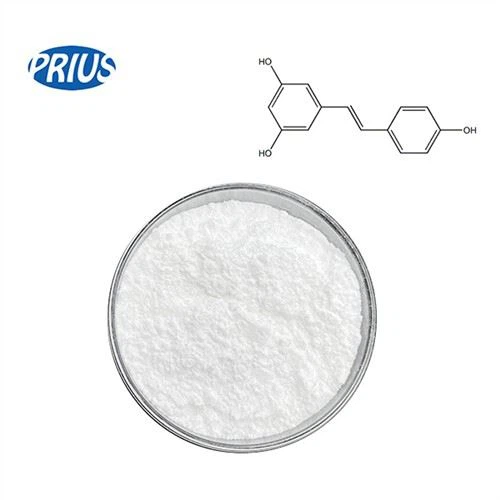

Antiviral Herbal Extract mainly includes White Willow Bark Extract Salicin, Naringin Powder, Kanna Extract Powder, Mullein Leaf Extract and the like.
The white willow bark extract is a bark extract of the willow plant Salix babylonica L.
As a "natural aspirin", salicin is used to treat mild fever, colds, infections (influenza), acute and chronic rheumatic discomfort, headaches and pain due to inflammation. Aspirin (acetylsalicylic acid), a synthetic substitute for salicin, has potential gastrointestinal side effects. As its natural configuration, salicylate can be converted into salicylic acid in the blood and liver through the gastrointestinal system harmlessly. The conversion process takes hours, so the results are not immediately felt by the human body, but the general effect lasts for hours.
Similar to aspirin, some people may have stomach upset after taking salicin. Although such symptoms are more like extracts from aspirin than white willow bark, people with ulcers and gastritis should avoid using the drug. Moreover, like aspirin, white willow bark extract is not used to treat fever in children.
As one of the manufacturers and suppliers with its own factories and cheap products, PRIUS is one of the best choices for your purchase of Antiviral Herbal Extract and you must not miss it. Here you can wholesale health and safety products in bulk.
Your Professional Antiviral Herbal Extract Supplier in China!
Xi'an Prius biological Engineering Co.Ltd is a high-tech export-oriented enterprise which is the combination of research, development, production and sales, it has been devoted to providing high quality health care raw material, cosmetic raw material, herbal extract and food additives.
Quality Raw Materia: To ensure the product quality, we have our own raw material planting base, located deep in the qinling mountains, which provides us with pure natural plant raw materials without pollution and pesticide residues. This helps us ensure supply security and ensure high-quality raw material quality in the long term.
Advance Equipment: We have set up a state-of-the-art Analytical Laboratory to carry out various types of analysis as well as R&D work related to Herbal products. It is equipped with the latest high-performance instruments such as HPLC, UV visible spectrophotometer and Gas chromatography (GC) to keep control on solvent residuals to meet customer’s satisfactions.
Complete Qualifications: We are an ISO9001, GMP, FDA, HALAL, KOSHER and food production license certified company, can process min 3000 MT of raw herbs per year with finishing the product in clean rooms under class 1,00,000 to deliver quality products.
Professional Technical Team: We employs a professional staff of natural product chemists, pharmacognosists, microbiologists and herbalists. Whether you are looking for health care raw material, cosmetic raw material, herbal extract and food additives, we can provide you with high-quality one-stop product services.
-
![Ketone Ester liuqid]() Ketone Ester liuqid1.colorless transparent liquidview more
Ketone Ester liuqid1.colorless transparent liquidview more
2.98% purity
3.Cas 1208313-97-6
4.MOQ is 1kg
5.Best price
6.Free sample
7.OEM services
8.Food grade and pharm... -
![Naringin Antioxidant Powder]() Naringin Antioxidant PowderProduct name: Naringinview more
Naringin Antioxidant PowderProduct name: Naringinview more
CAS:10236-47-2 Appearance: Off white powder
Purity:98%
Sample:10-20g Avaliable
Storage:Cool Dry Place
Our certification: ISO, HALAL,... -
![Marigold Flower Extract Zeaxanthin]() Marigold Flower Extract ZeaxanthinProduct name: Zeaxanthinview more
Marigold Flower Extract ZeaxanthinProduct name: Zeaxanthinview more
CAS:144-68-3
Test Method:HPLC
Sample:10-20g Avaliable
Storage:Cool Dry Place
Our certification: ISO, HALAL, KOSHER
Shelf Life: 2... -
![Alpha Arbutin Powder CAS 84380-01-8]() Alpha Arbutin Powder CAS 84380-01-8CAS:84380-01-8view more
Alpha Arbutin Powder CAS 84380-01-8CAS:84380-01-8view more
Test Method:HPLC
Sample:10-20g Avaliable
Storage:Cool Dry Place
Our certification: ISO, HALAL, KOSHER
Price and quantity: Bulk purchases will get... -
![Huperzine A Powder]() Huperzine A PowderProduct name: Huperzine Aview more
Huperzine A PowderProduct name: Huperzine Aview more
CAS:120786-18-7
Main Ingredient :1% ,98%
Test Method:HPLC
Sample:10-20g Avaliable
Storage:Cool Dry Place
Our certification: ISO,... -
![Artemisinin Powder]() Artemisinin PowderProduction Process: Plant extract, Artemisia Annua Extractview more
Artemisinin PowderProduction Process: Plant extract, Artemisia Annua Extractview more
Appearance: White powder
Specification: 98% HPLC
Grade: Pharmaceutical Grade
Certificate:... -
![Lutein Powder]() Lutein PowderSpecification :5% -80%view more
Lutein PowderSpecification :5% -80%view more
CAS : 144-68-3
Molecular formula: C21H30O2
Molecular weight : 314.46
EINECS : 200-350-6
Apperance : Orange yellow powder... -
![Cordyceps Polysaccharide]() Cordyceps PolysaccharideHalal Kosher certificationview more
Cordyceps PolysaccharideHalal Kosher certificationview more
Enough in stock
OEM services
Latin Name: Lagelstroemia indica L. Active Ingredient: Polysaccharides, Mannitol, Adenosine, Cordycepic acid,... -
![Wild Yam Extract Diosgenin]() Wild Yam Extract DiosgeninProduct name: Diosgeninview more
Wild Yam Extract DiosgeninProduct name: Diosgeninview more
CAS:512-04-9
Main Ingredient :98%
Appearance:White powder
Sample:10-20g Avaliable
Storage:Cool Dry Place
Our certification: ISO,... -
![NICOTINAMIDE RIBOSIDE 98%]() NICOTINAMIDE RIBOSIDE 98%Product name: Nicotinamide ribosideview more
NICOTINAMIDE RIBOSIDE 98%Product name: Nicotinamide ribosideview more
CAS:1341-23-7
Specification:98%
OEM & ODM:Highly welcome
Custom tablets, capsules, gummies, vitamins, and protein powder are available.... -
![Rhodiola Rosea Extract]() Rhodiola Rosea ExtractAppearance : Brown powderview more
Rhodiola Rosea ExtractAppearance : Brown powderview more
Specification:4:1,3%~5% Rosavins, 1%~3% Rosavin, 1%~5% Salidroside, 5%~20% Polyphenols
Sample:10-20g Avaliable
Storage:Cool Dry Place
Our... -
![Berberine Hydrochloride Powder]() Berberine Hydrochloride PowderProduct name: Berberine hydrochlorideview more
Berberine Hydrochloride PowderProduct name: Berberine hydrochlorideview more
Specification :90% 98%
CAS:633-65-8
OEM & ODM:Highly welcome
Our certification: ISO, HALAL, KOSHER
Price and quantity: Bulk purchases...


The viral infection and resistance to the existing antiviral drugs are alarming, which is a serious public health concern. Medicinal plants are valuable resources for treatment of viral infections and can be used for the management of infections like herpes simplex virus (HSV), human immunodeficiency virus (HIV), influenza, etc. The antiviral screening of plant extracts should be highly selective, specific, and sensitive for bioactivity guided isolation of the active compounds from the plant extracts. The antiviral screening system should be validated for accuracy, reproducibility, simplicity, and cost effectiveness.
Antiviral herbs inhibit the development of viruses. Many of the best antiviral herbs boost the immune system, which allows the body to attack viral pathogens. This can be even better than attacking specific pathogens, which antiviral drugs are designed to do, because pathogens mutate over time and become less susceptible to treatment. Not only do antiviral herbs fight viral infections, boost the immune system and work as flu natural remedies, but they have a number of other health benefits, such as cardiovascular, digestive and anti-inflammatory support.

6 Incredible Benefits of Antiviral Herbal Extracts
Health Benefits
Herbal extracts are rich in antioxidants, protecting cells from free radical damage and aging. Green tea and ginkgo biloba are antioxidants, according to the Journal of Agricultural and Food Chemistry. The anti-inflammatory effects of herbal extracts help reduce bodily inflammation. Curcumin, found in turmeric, reduces inflammation, according to a Journal of Natural Products study. Herbal extracts boost the immune system, making it better able to fight infections. In the American Journal of Chinese Medicine, herbal extracts are studied for immunomodulation.
Medicinal Applications
Traditional Uses: Herbal extracts have a rich history of traditional medicinal uses, dating back centuries. Understanding these historical perspectives provides insight into the roots of their effectiveness. For example, the World Journal of Traditional Chinese Medicine explores the historical use of herbal extracts in traditional Chinese medicine. Modern Applications: Thanks to developments in science, herbal extracts are being used in modern medicine to provide complementary and alternative methods of treatment. Herbal extracts’ contemporary pharmaceutical uses are covered in the Journal of Ethnopharmacology.
Nutritional Value
Herbal extracts have medicinal qualities and essential nutrients like vitamins and minerals. This dual functionality boosts their overall health advantages. Improvement of Overall Well-Being: Herbal extracts have nutritional qualities that do not just target certain health problems; they also promote general health and energy. The role that herbal extracts play in fostering overall health is examined in the Journal of Herbal Medicine and Toxicology.
Research and Scientific Backing
Multiple research projects substantiate the advantages of herbal extracts, establishing a robust scientific basis for their efficacy. These academic sources support the assertions on the therapeutic qualities of botanical extracts.
Market Availability
Certain herbal extracts can be purchased without a prescription as over-the-counter medications. It is said that popular and quickly-acting supplements containing peppermint, chamomile, basil, turmeric, honey, garlic, ginseng, amla, and licorice can help relieve cough, cold, flu, pain, inflammation, and other symptoms.
Potency
The phytochemicals’ potency and rapid absorption rate are still another advantage. Since plants have long been known for their potent healing abilities, many chronic illness sufferers have found relief from their illnesses by following a diet high in a range of vibrant fruits, vegetables, and fresh-cut herbs.
Impressive Herbal Extract with Antiviral Activity
Oregano is a popular herb in the mint family that’s known for its impressive medicinal qualities. Its plant compounds, which include carvacrol, offer antiviral properties. In a test-tube study, both oregano oil and isolated carvacrol reduced the activity of murine norovirus (MNV) within 15 minutes of exposure. MNV is highly contagious and the primary cause of stomach flu in humans. It is very similar to human norovirus and used in scientific studies because human norovirus is notoriously difficult to grow in laboratory settings. Oregano oil and carvacrol have also been shown to exhibit antiviral activity against herpes simplex virus type-1 (HSV-1); rotavirus, a common cause of diarrhea in infants and children; and respiratory syncytial virus (RSV), which causes respiratory infections.
Also a member of the mint family, sage is an aromatic herb that has long been used in traditional medicine to treat viral infections. The antiviral properties of sage are mostly attributed to compounds called safficinolide and sage one, which are found in the leaves and stem of the plant. Test-tube research indicates that this herb may fight human immunodeficiency virus type 1 (HIV-1), which can lead to AIDS. In one study, sage extract significantly inhibited HIV activity by preventing the virus from entering target cells. Sage has also been shown to combat HSV-1 and Indiana vesiculovirus, which infects farm animals like horses, cows, and pigs.
Many types of basil, including the sweet and holy varieties, may fight certain viral infections. For example, one test-tube study found that sweet basil extracts, including compounds like apigenin and ursolic acid, exhibited potent effects against herpes viruses, hepatitis B, and enterovirus. Holy basil, also known as tulsi, has been shown to increase immunity, which may help fight viral infections. In a 4-week study in 24 healthy adults, supplementing with 300 mg of holy basil extract significantly increased levels of helper T cells and natural killer cells, both of which are immune cells that help protect and defend your body from viral infections.
Fennel is a licorice-flavored plant that may fight certain viruses. A test-tube study showed that fennel extract exhibited strong antiviral effects against herpes viruses and parainfluenza type-3 (PI-3), which causes respiratory infections in cattle. What’s more, trans-anethole, the main component of fennel essential oil, has demonstrated powerful antiviral effects against herpes viruses. According to animal research, fennel may also boost your immune system and decrease inflammation, which may likewise help combat viral infections.
Garlic is a popular natural remedy for a wide array of conditions, including viral infections. In a study in 23 adults with warts caused by human papillomavirus (HPV), applying garlic extract to affected areas twice daily eliminated the warts in all of them after 1–2 weeks. Additionally, older test-tube studies note that garlic may have antiviral activity against influenza A and B, HIV, HSV-1, viral pneumonia, and rhinovirus, which causes the common cold. However, current research is lacking. Animal and test-tube studies indicate that garlic enhances immune system response by stimulating protective immune cells, which may safeguard against viral infections.
Lemon balm is a lemony plant that’s commonly used in teas and seasonings. It’s also celebrated for its medicinal qualities. Lemon balm extract is a concentrated source of potent essential oils and plant compounds that have antiviral activity. Test-tube research has shown that it has antiviral effects against avian influenza (bird flu), herpes viruses, HIV-1, and enterovirus 71, which can cause severe infections in infants and children.
Peppermint is known to have powerful antiviral qualities and commonly added to teas, extracts, and tinctures meant to naturally treat viral infections. Its leaves and essential oils contain active components, including menthol and rosmarinic acid, which have antiviral and anti-inflammatory activity. In a test-tube study, peppermint-leaf extract exhibited potent antiviral activity against respiratory syncytial virus (RSV) and significantly decreased levels of inflammatory compounds.
Rosemary is frequently used in cooking but likewise has therapeutic applications due to its numerous plant compounds, including oleanolic acid. Oleanolic acid has displayed antiviral activity against herpes viruses, HIV, influenza, and hepatitis in animal and test-tube studies. Plus, rosemary extract has demonstrated antiviral effects against herpes viruses and hepatitis A, which affects the liver.
Echinacea is one of the most popularly used ingredients in herbal medicine due to its impressive health-promoting properties. Many parts of the plant, including its flowers, leaves, and roots, are used for natural remedies. In fact, Echinacea purpurea, a variety that produces cone-shaped flowers, was used by Native Americans to treat a wide array of conditions, including viral infections. Several test-tube studies suggest that certain varieties of echinacea, including E. pallida, E. angustifolia, and E. purpurea, are particularly effective at fighting viral infections like herpes and influenza. Notably, E. purpurea is thought to have immune-boosting effects as well, making it particularly useful for treating viral infections.
Sambucus is a family of plants also called elder. Elderberries are made into a variety of products, such as elixirs and pills, that are used to naturally treat viral infections like the flu and common cold. A study in mice determined that concentrated elderberry juice suppressed influenza virus replication and stimulated immune system response. What’s more, in a review of 4 studies in 180 people, elderberry supplements were found to substantially reduce upper respiratory symptoms caused by viral infections.
Licorice has been used in traditional Chinese medicine and other natural practices for centuries. Glycyrrhizin, liquiritigenin, and glabridin are just some of the active substances in licorice that have powerful antiviral properties. Test-tube studies demonstrate that licorice root extract is effective against HIV, RSV, herpes viruses, and severe acute respiratory syndrome-related coronavirus (SARS-CoV), which causes a serious type of pneumonia.
Astragalus is a flowering herb popular in traditional Chinese medicine. It boasts Astragalus polysaccharide (APS), which has significant immune-enhancing and antiviral qualities. Test-tube and animal studies show that astragalus combats herpes viruses, hepatitis C, and avian influenza H9 virus. Plus, test-tube studies suggest that APS may protect human astrocyte cells, the most abundant type of cell in the central nervous system, from infection with herpes.
Ginger products, such as elixirs, teas, and lozenges, are popular natural remedies-and for good reason. Ginger has been shown to have impressive antiviral activity thanks to its high concentration of potent plant compounds. Test-tube research demonstrates that ginger extract has antiviral effects against avian influenza, RSV, and feline calicivirus (FCV), which is comparable to human norovirus. Additionally, specific compounds in ginger, such as gingerols and zingerone, have been found to inhibit viral replication and prevent viruses from entering host cells.
Ginseng, which can be found in Korean and American varieties, is the root of plants in the Panax family. Long used in traditional Chinese medicine, it has been shown to be particularly effective at fighting viruses. In animal and test-tube studies, Korean red ginseng extract has exhibited significant effects against RSV, herpes viruses, and hepatitis A. Plus, compounds in ginseng called ginsenosides have antiviral effects against hepatitis B, norovirus, and coxsackieviruses, which are associated with several serious diseases-including an infection of the brain called meningoencephalitis.
Dandelions are widely regarded as weeds but have been studied for multiple medicinal properties, including potential antiviral effects. Test-tube research indicates that dandelion may combat hepatitis B, HIV, and influenza. Moreover, one test-tube study noted that dandelion extract inhibited the replication of dengue, a mosquito-borne virus that causes dengue fever. This disease, which can be fatal, triggers symptoms like high fever, vomiting, and muscle pain.
How to Use Antiviral Herbal Extract
Teas are a great way to get the antiviral benefits of herbs every day. Steep one tablespoon of herbs in hot water for 5–10 minutes. Echinacea, for example, is a popular herbal tea that’s sold in most food stores, so the work is already done for you.
Herbal infusions are stronger than teas because they require a larger quantity of herbs. To make your own herbal infusion, steep a cup of antiviral herbs in water for about 7 hours. Keep the infusion in an air-tight jar, and drink it cold or heated. Because the infusions are strong, don’t drink more than one cup a day.
An infused oil is when you heat the herb in a carrier oil for several hours. You can use the oven to heat the mixture, or try leaving it in a hot and sunny place for 12 hours. Use about 1/2 cup of antiviral herbs (you can use one herb or a mixture), and add it to 1 cup of coconut or jojoba oil. If you heat the mixture in the oven, it should be in an oven-safe dish for 3 hours at 200 degrees. If you decide not to use the oven, put the mixture in an air-tight jar and let it sit in a sunny place for about 12 hours. Once the herbs are infused into the oil, drain the leaves and keep the oil in a jar. You can use the oil topically to alleviate pain and get rid of infections.
Many of these herbs are sold as essential oils; make sure to purchase organic and pure essential oils from a reputable company. To use essential oils benefits like their antiviral properties, diffuse 3–5 drops in your home, add 2–3 drops to warm bath water or mix 1–2 drops with a carrier oil and apply the mixture directly to the skin.Massaging essential oils into your feet, abdomen and chest is useful when fighting a fever or flu symptoms.
Our Certificates


Company Member Image
Our company is a young team composed of people born in the 1990s. The working atmosphere is relaxed and harmonious, and colleagues are united and friendly. We look forward to your cooperation with us to realize our dreams together!

Common Problem of Active Pharmaceutical Ingredients
Q: How to Use an Herbal Extract?
Q: What herb fights infection?
Q: Is apple cider vinegar a natural antiviral?
Q: Is there an herb that works like an antibiotic?
Q: What is the strongest antibacterial herb?
Q: What essential oils are virus antiviral?
Q: What spice is a natural antibiotic?
Q: What leaf cures infections?
Q: What home remedy kills bacterial infection?
Q: Can turmeric cure bacterial infection?
Q: Is peppermint oil an antiviral?
Q: What essential oil kills the most bacteria?
Q: Is oregano oil antiviral?
Q: What can antivirals treat?
Q: How do you test antiviral activity of plant extract?
Q: What is the best herb for a viral infection?
Q: What natural herb is like penicillin?
Q: Who should not use turmeric?
Q: How do you treat an infection with natural herbs?
Q: What infections does oregano oil treat?
As one of leading antiviral herbal extract manufacturers and suppliers in China, we warmly welcome you to buy high quality antiviral herbal extract at cheap price from our factory. Good wholesale and customized service are available for bulk products in stock.
Diosgenin BP EP USP, Marigold Flower Extract Lutein, Naringin Hydrate