
Xi'an Prius biologicalEngineeringCo.Ltd
Xi'an Prius biologicalEngineeringCo.Ltd is a high-tech export-oriented enterprise which is the combination of Research, development, production and sales, it has been devoted to providing high quality Health care raw material, cosmetic raw material, herbal extractandFood addtives, for the clients.
High Quality
It has been devoted to providing high quality Health care raw material, cosmetic raw material, herbal extractandFood addtives.
Reliable Supply
We offer a vertically integrated supply chain model to ensure reliable long-term supply and complete traceability.
Customer Service
We prioritize open communication to address our clients' specific requirements and deliver personalized solutions.
Technical Support
Our team of experts is available to assist with troubleshooting, answer technical inquiries, and provide guidance.
-
![Nuciferine Powder]() Nuciferine PowderProduct name:Nuciferineview more
Nuciferine PowderProduct name:Nuciferineview more
Purity:2% 4% 10% 98%
CAS:475-83-2
Sample:10-20g Avaliable
Storage:Cool Dry Place
Our certification: ISO, HALAL, KOSHER
Shelf Life: 2... -
![Konjac Mannan Extract]() Konjac Mannan ExtractProduct name: konjac glucomannanview more
Konjac Mannan ExtractProduct name: konjac glucomannanview more
Specification:95%
Sample:10-20g Avaliable
Storage:Cool Dry Place
Our certification: ISO, HALAL, KOSHER
Shelf Life: 2 years
Price and... -
![Peganum Harmala Extract Harmine]() Peganum Harmala Extract HarmineProduct name: Peganum Harmala Extract Harmine Appearance:white powder Active ingredients: Harmineview more
Peganum Harmala Extract HarmineProduct name: Peganum Harmala Extract Harmine Appearance:white powder Active ingredients: Harmineview more -
![Organic Konjac Extract | GMP Certified Glucomannan Powder]() Organic Konjac Extract | GMP Certified Glucomannan PowderKonjac mannan extract is also known as glucomannan powder. This bulk-forming laxative is a form of dietary fiber, purported to make stools bulkier and larger so they're easier to pass.view more
Organic Konjac Extract | GMP Certified Glucomannan PowderKonjac mannan extract is also known as glucomannan powder. This bulk-forming laxative is a form of dietary fiber, purported to make stools bulkier and larger so they're easier to pass.view more -
![Lotus Leaf Extract Lose Weight Quickly Secret Fat Burner Nymphaea Lotus Leaf Extract Nuciferine]() Lotus Leaf Extract Lose Weight Quickly Secret Fat Burner ...Product Name:Lotus Leaf Extract Powderview more
Lotus Leaf Extract Lose Weight Quickly Secret Fat Burner ...Product Name:Lotus Leaf Extract Powderview more
Apperance:Brown yellow powder
Grade:Food Grade
Effectiveness:weight loss
Used part:Leaf
Active ingredient:Nuciferine -
![Pure Garcinia Cambogia Extract Powder 100 HCA]() Pure Garcinia Cambogia Extract Powder 100 HCAProduct name: Pure Garcinia Cambogia extract powder Latin Name:Garcinia Cambogia Active ingredients: Hydroxycitric acid Specification: 50%, 60% CAS No.:...view more
Pure Garcinia Cambogia Extract Powder 100 HCAProduct name: Pure Garcinia Cambogia extract powder Latin Name:Garcinia Cambogia Active ingredients: Hydroxycitric acid Specification: 50%, 60% CAS No.:...view more -
![White Kidney Bean Extract]() White Kidney Bean ExtractWhite Kidney Bean Extract Powder is a carbohydrate blocker that works by inhibiting the digestion of starches. By inhibiting their digestion, starches that are eaten are either left undigested in...view more
White Kidney Bean ExtractWhite Kidney Bean Extract Powder is a carbohydrate blocker that works by inhibiting the digestion of starches. By inhibiting their digestion, starches that are eaten are either left undigested in...view more


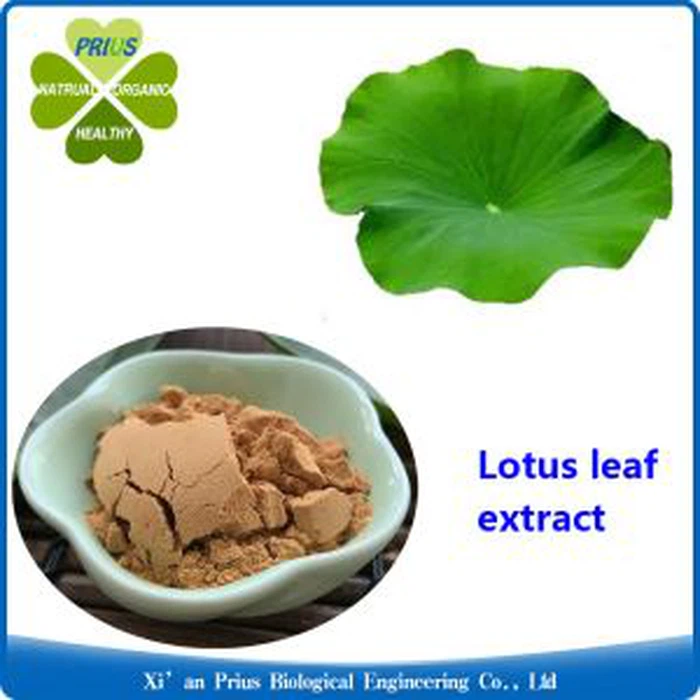
Weight-losing raw materials: These materials lose weight during the manufacturing or processing process. This means that the location of the manufacturing facility should be very near to the source so as to avoid incurring unnecessary costs during transportation.
Konjac Mannan Extract, also known as Glucomannan, is a water-soluble dietary fiber extracted from the root of the konjac plant (Amorphophallus konjac). The konjac plant is native to Asia, particularly Japan, China, and Korea. It has been traditionally used in various Asian cuisines, including Japan's famous konnyaku and shirataki noodles, which are known for their low calorie and high fiber content.
The extract is composed mainly of glucomannan chains, which are made up of mannose and glucose units. Due to its high viscosity and water absorption capacity, Glucomannan is effective in reducing appetite and helping with weight loss by providing a sense of fullness. Moreover, it has potential health benefits such as improving lipid profiles, aiding in blood sugar control, and promoting gastrointestinal health.
Glucomannan is commonly available in supplement form and can also be found in food products like flour, noodles, and jellies. It's considered safe for most individuals when consumed in appropriate amounts. However, as with any dietary supplement, it's important to consult with healthcare professionals before incorporating it into one's diet, especially for individuals with specific health conditions or those taking medications.

Chemistry and Biology of Nuciferine
Nuciferine is an aporphine alkaloid first isolated from Nelumbo nucifera Gaertn as the main bioactive ingredient. Additionally, it was also obtained from some other plants. Nuciferine exhibited diverse bioactivities such as anti-hyperlipidemic, anti-obesity, anti-fatty liver, antidiabetic, anti-hyperuricemic, antitumor, anti-inflammatory, antiviral, antioxidant activity, and thus has tremendous potential to be developed into drugs.
Structurally, nuciferine possesses a tetracyclic core with a nitrogen atom and one chiral center. Its delicate molecular skeleton gives numerous inspirations for the discovery of innovative drugs (Perecim et al., 2020).
Nuciferine became famous long time ago and its chemical and biological properties were extensively investigated and well-documented. Nuciferine was also briefly summarized in several reviews on chemical profiling of N. Nucifera and aporphine alkaloids. Besides, a good review focusing on the pharmacological effects of nuciferine was published in 2016, whereas some novel bioactivities have been successively reported recently (Dai et al., 2016). More recently, Wan et al. (2022) published an excellent review in terms of pharmacology of nuciferine. Regrettably, its chemical properties including extraction, isolation, synthesis, and so on still have not been summarized enough.
Thus, a comprehensive review with respect to both of the chemistry and biology of this versatile natural product is necessary. With this in mind, the seasonable summary in regard to the chemistry and biology of nuciferine was performed in this review. Emphasises were put on the isolation techniques, total synthesis and semisynthesis, as well as bioactivities.
Extraction and isolation techniques
With the rapid development of analytical chemistry and apparatus science in the past decades, a variety of detection and isolation techniques of alkaloids from N. nucifera were exploited successively, which made these precious bioresources available far more easily.
Total synthesis
As a bioactive compound with various biological functions, total synthesis of nuciferine has been paid much attention. Through the past several decades, multiple total synthetic strategies have been presented.
Structural modification and structure-activity relationships
In order to discover the more effective acetylcholinesterase (AChE) inhibitors based on nuciferine for the treatment of Alzheimer's disease, compound was synthesized by regioselective O-demethylation of nuciferine in the presence of (PhCH2)2Se2 and NaBH4, which was converted to compound through the further O-demethylation with AlBr3. Unexpectedly, nuciferine reacted with I2 and CaO in THF/MeOH.
Anti-hyperlipidemic and anti-obesity activities
The leaves of N. nucifera, as a traditional Chinese medicine, were used for the amelioration of intracellular glucose and lipid metabolism for a long time, which mainly attributed to the inherent natural alkaloids. Nuciferine could reduce blood lipid by suppressing the synthesis of cholesterol and cholesterol esterase activity as well as improving low-density lipoprotein receptor expression .

Garcinia cambogia is used in traditional and folk medicine for its perceived health benefits. There are claims that garcinia cambogia can be used to treat many conditions. However, many of the health claims surrounding garcinia cambogia are unfounded.
In folk medicine, garcinia cambogia is often used to treat:
Constipation
Hemorrhoids
Edema (swelling)
Rheumatic disease
Intestinal parasites
Irregular periods
At this time, though, there are very few human studies on any of these or other garcinia cambogia uses.
One of the most popular claims of garcinia cambogia is its involvement in weight loss. Yet, research on whether garcinia cambogia can help you lose weight is mixed.
Garcinia Cambogia: Does it Work for Weight Loss?
Garcinia cambogia is an extract obtained from the dried fruit of the Garcinia cambogia (GC) tree, a native plant species of South India and South Asia.The fruit looks like a small green pumpkin, and is used extensively in Asian-style cooking for its sour flavor.
The skin, or rind of Garcinia cambogia fruit contains large amounts of hydroxycitric acid (HCA). HCA is a derivative of citric acid, and is marketed as a weight loss supplement, either alone or in combination with other supplements.
How HCA works to promote weight loss is not precisely known, but several theories exist. Some experts believe it works by inhibiting an enzyme called citrate lyase, interfering with the conversion of unused carbohydrates into fat. Although HCA does have this effect on carbohydrates in a laboratory petri dish, it is unproven whether it does this once inside the body.
Other experts suggest HCA affects other enzymes involved in carbohydrate metabolism, such as pancreatic alpha amylase and intestinal alpha glucosidase. A few postulate that it increases the release or availability of serotonin in the brain, promoting appetite suppression.Nobody knows for sure just how HCA works… or if it really does work.
Several trials have investigated use of Garcinia cambogia for weight loss in humans. Some of these trials are of better quality than others, and reviews that group trials together to look for an overall effect give us a better “bigger picture” than just looking at the results of a single trial.
There have been several contradictory claims about the effects Garcinia cambogia has on blood glucose control with some celebrity endorsements even suggesting it may be beneficial for people with diabetes. While studies in rats have shown a reduction in the amount of glucose absorbed and less of a spike in blood glucose levels following a meal, rats are not humans so studies were needed to determine if this also applied to humans.
Thazhath et al8 took 12 healthy participants and 8 people with diabetes and compared the effects of hydroxycitric acid (the active ingredient of Garcinia cambogia) plus glucose to water plus glucose in a cross-over type trial. Although some reduction in blood sugar levels were seen in healthy people, there was no reduction in the blood sugar levels in people with diabetes. Other markers, such as insulin response, were not affected.
Other human studies have also failed to support use of Garcinia cambogia for blood sugar control. Yonei et al9 tested the effects of daily supplementation with Garcinia cambogia extract (500 mg/day as hydroxycitric acid) and L-carnitine (600 mg/day) on 35 healthy individuals aged 40-60 with a BMI of 24 or higher. After 8 weeks' supplementation, the group receiving Garcinia cambogia had an increase of 4.5% in their total cholesterol, 4.1% in their fasting blood sugar levels, and 3.4% in their HbA1c (provides a reflection of long-term glucose control).
Conversely, a 200810 study reported a significant reduction in total cholesterol and LDL-cholesterol when Garcinia cambogia extract was combined with Amorphophallus konjac (also known for its weight loss properties). However, no effect was seen on triglyceride or glucose levels.
Garcinia cambogia may interact with the following:
Diabetes medications, including insulin – Variable effects reported, always consult a doctor before use if you have diabetes.
Iron supplements – Several informative sites state Garcinia cambogia contains iron; however, most supplements use an extract of Garcinia cambogia, which is unlikely to contain high amounts of iron. Several other fruits (such as prunes, persimmons, and passion fruit) also contain iron but are not reported as interacting with iron supplements.
Serotonin-Stimulating antidepressants (such as Celexa, Paxil, Zoloft) or pain medications (such as tramadol) – one mouse study suggested Garcinia cambogia had a serotonin-enhancing effect; however, this has not been verified in humans.
Asthma medications (including montelukast) – One documented case study of a woman who developed fatal liver failure after taking two dietary supplements (one of which was Garcinia cambogia) for two weeks on top of her usual asthma medications, including montelukast.
Statins – This is based on the fact that statins can cause rhabdomyolysis (a destruction of muscle cells). One case study18 reported rhabdomyolosis in a women taking a combination weight loss supplement (of which one of the ingredients was garcinia cambogia); so some experts are concerned about a theorectical additive effect with statins (she was not taking a statin at the time).
Warfarin – A man taking warfarin together with a combination herbal product that included Garcinia cambogia, reported a change in his INR (a measure of the clotting ability of the blood) that returned to normal after discontinuation of the supplement.
The ‘Carb Blocker’ - What is White Kidney Bean Extract?
The Science of Carb Blockers
Before understanding how carb blockers work it's important to know how a starch is converted into a sugar in your body. This process starts when you consume anything starchy from potatoes, to rice, bread; a digestive enzyme known as amylase starts to break down the starch into sugars in your mouth.
Think about this the next time you eat a slice of white bread, you might notice as it dissolves in your mouth it becomes sweet, this is the amylase breaking the starch of the bread into sugars. But of course this only happens to a small degree in the mouth. After we swallow the remaining starch it is halted in its break down because the sheer acidity of your stomach acid, which prevents amylase from doing its job.
It's not until the small intestines that your pancreas can secrete more amylase to finish breaking down the rest of the starches into usable glucose for your body.
How Does White Kidney Bean Extract Help?
Now that we all understand how starches are digested, explaining how carb blockers work will make much more sense.
The active ingredient in white kidney beans which gets extracted is called phaseolus vulgaris, which effectively prevents the pancreas from secreting amylase. If 1.5 grams of the supplement is taken with a carb heavy meal, over half the calories coming from complex, starchy carbs will not get digested and instead will ferment in your intestines. The only side effect most people experience from this process is slight bloating and sometimes excessive gas.
At this point I know what you're probably going to ask, “When I'm on a diet and I decide to have a cheat meal can I take a serving of a carb blocker to lessen the damage?”
While there is no short answer, the long one starts with a possibly. It all depends upon what the cheat meal includes, if your idea of a cheat meal is a lot of rice and potatoes then sure, carb blockers will definitely help. But if you're like me, and have cheat meals which entail sugary snack food and greasy pizza then most likely carb blockers won't help you that much.
For you see, carb blockers are exclusive to stopping the breakdown of complex carbs into simple carbs only, leaving any other type of macronutrient digested completely. Which includes sugar from those brownies, saturated fat from that pizza and any other unhealthy food you had which wasn't a starch (but your ramen noodles will surprisingly be blocked from digesting).
Who Should Use Carb Blockers?
Just like fat burners, carb blockers will only be effective for a certain type of individual. Like all supplements, overweight individuals with unhealthy diets can take a carb blocker, along with taking up an exercise routine and a healthier diet, and will see better results than a placebo group. But it gets a little more complicated when a healthy individual who tracks their calorie intake and macronutrients take a carb blocker to try and lose additional weight.
In the midst of the low carb dieting trend, these are the individuals who will get the least out of carb blockers, if that wasn't already obvious. If your carbs are below 150 grams a day, you do some form of cardio or weight training more than 4 times a week, then carb blockers will have almost no effect besides making you even more carb depleted and energy deprived. But if your carbs are somewhere closer to the 250-300 gram range and you're trying to diet down without giving up tasty, precious carbs, then carb blockers might help you lose a little extra weight.
I also shouldn't have to mention as well that if you're not in a calorie deficit, or in other words consuming less overall calories than you're burning, you will not lose weight no matter what supplements you take. To sum up the thoughts laid out in this section, individuals who will get the most out of carb blockers are people new to fitness and have a rather higher body fat percentage. While healthy, fit individuals who know how to maximize a carb blocker will only see maybe a slight advantage to not taking it in the first place.
Our Factory
Located in Xi'an, Shannxi Province, more than 2,000 tons of a wide range of herbal extracts and natural active substances are extracted and manufactured from the factory annually.Prius operate a new state of production facility in strict compliance with the cGMP requirements in addition to using advanced optimized production technology. We provide customized product service to produce superior quality products according to requirements from our partners.PRIUS offer professional technology, customized service, towards innovative products .

Certificate

FAQ
As one of leading weight loss raw material manufacturers and suppliers in China, we warmly welcome you to buy high quality weight loss raw material at cheap price from our factory. Good wholesale and customized service are available for bulk products in stock.
Nuciferine CAS 475 83 2, Lotus Leaf Extract, Lotus Leaf capsules