
What is dhea?
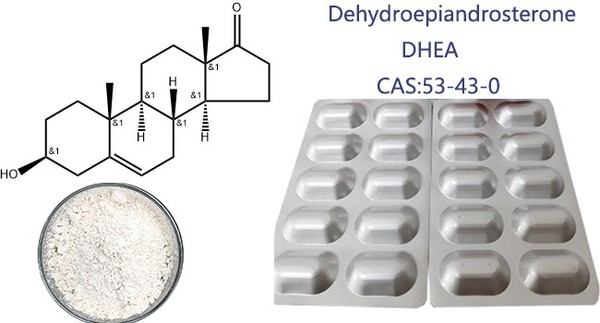
DHEA was first isolated by German biochemist Butenandt in 1931. In the human body, the raw material for synthesizing DHEA is cholesterol. DHEA in health products mainly comes from Dioscorea plants.
In 1942, American chemist Russell Marker discovered diosgenin in the genus Dioscorea and used it to successfully synthesize progesterone, making mass production of progesterone possible.
In 1956, G Rosenkranz and others synthesized DHEA for the first time using diosgenin.
DHEA supplements are used to address low DHEA levels, especially in women who have adrenal insufficiency or experience symptoms of hormone imbalance.
Our products have passed professional laboratory testing before leaving the factory. The microbial and heavy metal content meet national requirements, and certificates are provided to customers.
According to statistics from the World Health Organization, there are at least 80 million infertile couples around the world, and more and more women are marrying later, having children later, and preparing for pregnancy at older ages. Many women face the problem of reduced ovarian function.
Ovarian hypofunction is a gradual process. As women age, ovarian function will gradually decline. The decline of reproductive function is closely related to DHEA.
Multiple studies have shown that DHEA (dehydroepiandrosterone) is closely related to ovarian function. The use of DHEA can increase the number of eggs retrieved from IVF/ICSI and improve egg quality in DOR patients, ultimately increasing the probability of pregnancy and delivery.
It is currently used by about one-third of IVF centers worldwide. Clinically, it is often recommended for patients with poor ovarian function, hoping to improve the outcomes of patients with low ovarian response.
Reference
[1]. Barad D., Gleicher N. Effect of dehydroepiandrosterone on oocyte and embryo yields, embryo grade and cell number in IVF. Hum Reprod 2006;21(11):2845-2849.
[2]. Gleicher N, Kim A, Weghofer A, Kushnir VA, Shohat-Tal A, et al., Hypoandrogenism in association with diminished functional ovarian reserve. Hum Reprod 2013;28(4):1084-1091.