
What is dihydroberberine?
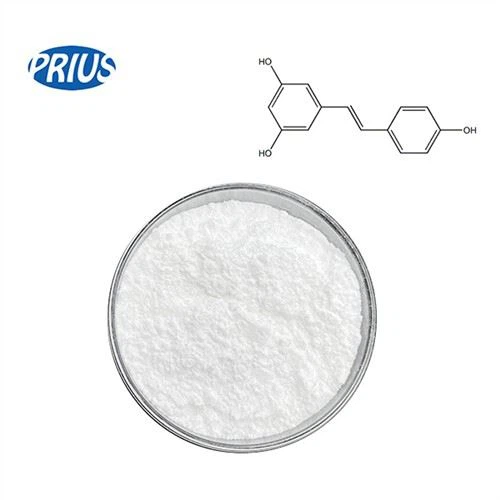
Dihydroberberine (DHBBR) is a hydrogenated derivative of berberine powder (BBR). The NR enzyme of intestinal bacteria can convert intestinal berberine into an easily absorbed form - dihydroberberine.
Dihydroberberine is the main form of berberine absorbed in the intestine and is also an important progress in the pharmacokinetics of berberine.
Enterobacterial NR enzyme mediates personalized treatment of berberine in patients with hyperlipidemia. Theoretically, differences in the expression levels of NR enzymes in the intestines of different populations may affect the personalized treatment of hyperlipidemia with berberine.

Dihydroberberine vs berberine
1. Dihydroberberine and berberine also have good uric acid-lowering effects.
2. Both dihydroberberine and berberine can improve insulin sensitivity by inhibiting the activation of adenosine-activated protein kinase by the mitochondrial respiratory complex.
3. The intestinal absorption rate of dihydroberberine is higher than that of berberine, and it mainly acts locally in the intestine to prevent the intestinal absorption of disaccharides. The absorption and availability of dihydroberberine in the intestine is 5 to 10 times that of berberine.
4. The experiment found that the same concentration of BBR and DHB can effectively regulate the expression of URAT1 and GLUT9 in HUA mice.
5. Clinical studies have found that berberine supplies nitroreductase through dihydroberberine produced by bacteria, promotes the production of BH4 by dihydroberberine, and then enhances the activity of TH to accelerate the production of levodopa by intestinal bacteria. Moreover, the combination of Enterococcus faecalis or Enterococcus faecium transplantation and berberine can significantly increase the brain dopamine levels of Parkinson's disease mice and improve the symptoms of Parkinson's disease.
Intestinal flora participates in berberine intestinal metabolism
In the in vivo metabolism study of berberine, liquidchromatography-tandem mass spectrometry, LC-MS/MS and gaschromatography-mass spectrometry, GC-MS technologies were used, and a total of 17 metabolites were detected.
Dihydroberberine can be detected in feces but not in bile or urine samples. After antibiotic treatment, the conversion of berberine by intestinal flora in mice was significantly reduced, and the concentration of berberine in the blood was reduced, suggesting that intestinal dihydroberberine is produced by intestinal flora.
Nitroreductase is one of the key enzymes that converts berberine into dihydroberberine. The level of nitroreductase in bacteria is positively correlated with the ability to convert berberine into dihydroberberine.
Dihydroberberine benefits
The chemical properties of dihydroberberine are unstable. When dihydroberberine passes through the small intestinal wall, it is rapidly oxidized and converted into the berberine prototype structure and enters the bloodstream to exert its effects.
Dihydroberberine is rapidly oxidized and reduced to berberine in the intestinal epithelial tissue. This process does not require the participation of enzymes. Therefore, the conversion of berberine by intestinal flora actually promotes the absorption of berberine. The dihydroberberine conversion-absorption-reduction process involving intestinal flora occurs entirely in the intestinal environment, resulting in reduced energy intake and increased insulin sensitivity, improving the bioavailability of berberine.
Reference
[1]. Ilyas, Zahra, et al. "The Effect of Berberine on Weight Loss in Order to Prevent Obesity: A Systematic Review." Biomedicine & Pharmacotherapy, vol. 127, July 2020, p. 110137, doi:10.1016/j.biopha.2020.110137.
[2]. Feng, Ru, et al; "Transforming Berberine into Its Intestine-Absorbable Form by the Gut Microbiota."; Nature News; Nature Publishing Group; 15 July 2015.