
Eye health is one of the health issues that consumers are most concerned about, and blue light is very harmful to the eyes. Research data shows that: 33% of children use electronic products for more than 3 hours a day, and the number of people over 30 years old who use electronic products for more than 5 hours a day is as high as 67%. Therefore, more people are beginning to pay attention to the natural barrier effect of zeaxanthin and lutein in supporting eye health.
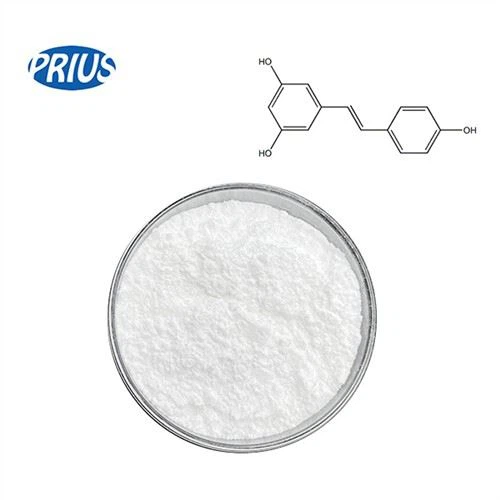
Zeaxanthin is a carotenoid with hydroxyl groups. Its structure is a polyene molecule, which gives it strong antioxidant capacity. Zeaxanthin powder is orange-red crystalline powder with little or no odor.
Zeaxanthin and lutein are isomers of each other, the difference is that the double bond position of the ionone ring is different. They are the only carotenoids highly concentrated in the macula of the retina in the eye and are the main components of macular pigments. Zeaxanthin is mainly concentrated in the center of the macula of the retina.
It can remove damaging oxygen free radicals, prevent membrane lipid peroxidation, reduce the formation of lipofuscin, and thus prevent the formation of cataracts. Studies have shown that people with high intake of lutein and zeaxanthin are about 20% less likely to suffer from cataracts than those with low intake. In addition, zeaxanthin can also prevent cardiovascular disease, slow down the process of arteriosclerosis, and prevent ultraviolet radiation from damaging the DNA of epithelial cells.

The zeaxanthin we produce is a highly effective nutritional raw material. We value the needs of the terminal market and the diversity and personalization of our products. Whether it is zeaxanthin raw materials or OEM ODM zeaxanthin supplements, our company can provide appropriate solutions according to customer needs.
Reference
[1]. Bernstein PS, Li B, Vachali PP, Gorusupudi A, Shyam R, Henriksen BS, Nolan JM. Lutein, zeaxanthin, and meso-zeaxanthin: The basic and clinical science underlying carotenoid-based nutritional interventions against ocular disease. Prog Retin Eye Res. 2016 Jan;50:34-66.