
According to the "Global Eye Health Special Report" released online by The Lancet Global Health, it is predicted that by 2050, 1.8 billion people around the world will suffer from untreated visual impairment. Preventing eye problems through lifestyle changes and nutritional supplements is a good option.
An eye disease study published in the Journal of the American Medical Association showed that adequate intake of carotenoids can effectively reduce the risk of age-related macular degeneration, with the most significant effects being lutein and zeaxanthin.
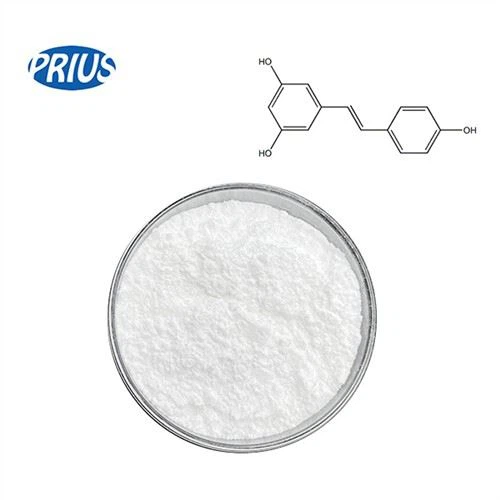
Wholesale zeaxanthin
The zeaxanthin powder supplied by our company has passed many international certifications such as Halal, Kosher, Organic, and Non-GMO, and the products are exported to many countries.

Countries and organizations such as the United States, the European Union, and the United Nations all have relevant regulations on zeaxanthin raw materials.
● The EU authorizes synthetic zeaxanthin as a new food ingredient and is allowed to be used as a food supplement ingredient. The recommended consumption is 2 mg/day. Food labels should identify it as "synthetic zeaxanthin."
● The U.S. FDA believes that zeaxanthin derived from marigold can be used in infant food, candy, cereals, dairy products, soups and beverages, etc. The recommended consumption is 300 mg/serving.
Zeaxanthin derived from chili powder can be used in baked goods and baking mixes, beverages and beverage bases, breakfast oatmeal, chewing gum, etc. The recommended consumption is 0.3~3 mg/serving.
● JECFA (Joint Expert Committee on Food Additives under the Food and Agriculture Organization of the United Nations and the World Health Organization) has evaluated the safety of lutein and zeaxanthin derived from marigold, with ADI (allowable daily intake) values per kilogram of body weight 0~2 mg of lutein and zeaxanthin are recommended every day. According to the "General Codex Standard for Food Additives", synthetic zeaxanthin can be used as a food additive (colorant) in flavored liquid milk beverages, with a maximum dosage of 100mg/kg.