
The focus on DHA and EPA comes from the epidemiological survey of Greenland Eskimos conducted by Dyerbery et al. in the early 1970s.
Both are metabolites of ω-3 long-chain polyunsaturated fat a-linolenic acid, and are related to cardiovascular health.
Fish oil has a higher content of EPA, which is more suitable for middle-aged and elderly people and adults.
In contrast, algae oil is extracted from microalgae, rich in DHA and low in EPA, and is more suitable as a DHA supplement for infants and young children. Its plant source usually has no obvious odor and is easy for infants and young children to accept. And it is directly extracted from deep-sea microalgae, with less pollution.
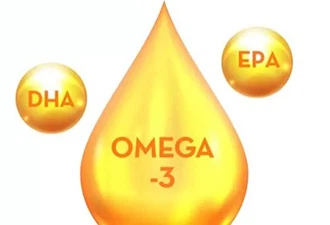
What is DHA and EPA good for?
First, the intake of DHA and EPA can improve cardiovascular health. Studies have shown that these two Omega-3 fatty acids can lower blood pressure, lower triglyceride levels, reduce arrhythmias, etc., thereby reducing the risk of heart disease and stroke. In addition, they can also prevent the occurrence of atherosclerosis. According to studies, they can reduce triglycerides in the body by about 30% and protect cardiovascular health.
Second, the intake of DHA and EPA also helps promote brain health. These two omega-3 fatty acids are the main components of brain nerve cell membranes, so they play an important role in the normal function and structure of the brain. The intake of DHA and EPA can improve memory and learning ability, prevent Alzheimer's disease, etc. In addition, these two fatty acids can also alleviate mood disorders and depression symptoms to a certain extent.
DHA and EPA can inhibit the production of inflammatory factors, thereby reducing inflammatory responses.