
Is thymoquinone an antifungal?
As the problem of clinical bacterial resistance becomes more and more serious, it is particularly important to develop the antibacterial activity of herbal plants and their extracts, solve the problem of clinical resistance, and reduce the side effects of antibacterial drugs. Studies have shown that black cumin seed extract has an inhibitory effect on a variety of pathogens, such as Staphylococcus aureus.
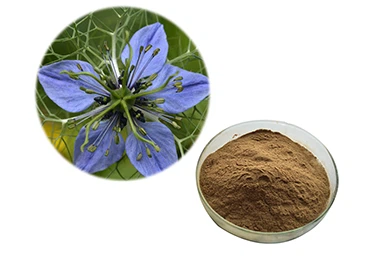
Because black cumin seeds and their active ingredient thymoquinone have few side effects and strong antimicrobial effects, they have been widely used in the treatment and prevention of microbial infections.
What effects does thymoquinone have on the brain?
This active compound, thymoquinone, has been studied for its positive effects on the brain.
Neuroprotective Effects:
Thymoquinone has shown the ability to protect neurons from damage. It helps reduce oxidative stress, which is a key factor in neurodegenerative diseases such as Alzheimer's and Parkinson's.
Anti-inflammatory Properties:
The anti-inflammatory properties of thymoquinone are beneficial in multiple sclerosis and other inflammatory neurological diseases.
Studies have shown that thymoquinone can improve memory and learning.
Thymoquinone has been found to have anxiolytic and antidepressant effects in animal studies. This is related to its involvement in regulating neurotransmitters and mood regulation.
Thymoquinone can promote the growth of new neurons, which helps with brain plasticity and recovery after injury.