
What effect does pH have on copper peptides?
PH affects the complexation of GHK and copper. In a solution, when the pH is lower than 4.0, the hydrogen ions in the solution will destroy the complexation structure of GHK and copper, and the metal-ligand charge transfer (MLCT) phenomenon will no longer occur, and the color will disappear. When the pH is greater than 8.0, the copper ions in the copper peptide easily react with hydroxide to form insoluble compounds such as copper hydroxide.
What can you not mix with copper peptides?
Vitamin C: High concentrations of vitamin C (ascorbic acid) can oxidize copper peptides.
Alpha Hydroxy Acids (AHAs) and Beta Hydroxy Acids (BHAs) can lower the pH of the skin, which may destabilize copper peptides.
Retinoids such as retinol and tretinoin, can be irritants to the skin and may cause irritation when used with copper peptides.
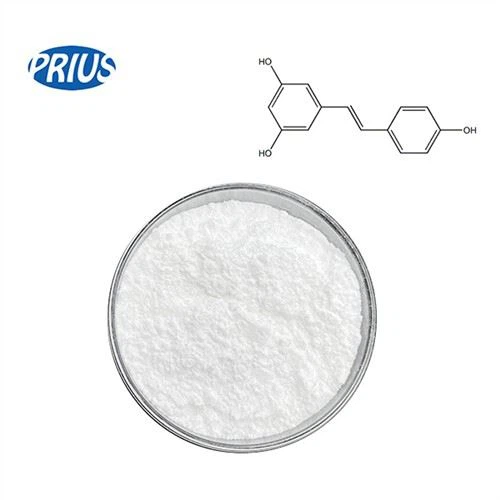
Strong antioxidants such as resveratrol and niacinamide interact with copper peptides.

Copper peptide with retinol
Copper peptide with vitamin c
Common antioxidants such as glutathione, ergothioneine, and vitamin C can reduce the divalent copper ions in copper peptides, destroying the complex structure of copper ions and GHK ligands and the metal-ligand charge transfer (MLCT) effect. In addition, carnosine can also form a complex with copper ions.
Copper peptides cannot be used in combination with the following ingredients:
1. Copper peptides + retinol and its derivatives:
The conversion of retinol to retinol acid may cause the copper ions of copper peptides to become inactive.
2. Copper peptides + acids(fruit acid, lactic acid, salicylic acid, mandelic acid):
Copper peptides are unstable in an acidic environment and will become ineffective.
3. Copper peptides + VC:
Copper is an oxidant and VC is a reducing agent. When the two mix, the efficacy of both ingredients is lost.
The complex structure of copper ions and GHK ligands in copper peptides is easily affected by pH, reducing agents and chelating agents, and should be avoided when used in combination with raw materials with complex ingredients such as active enzymes. Copper peptides have multiple functions, which can stimulate the synthesis of collagen, elastin and glycosaminoglycans, promote the proliferation of fibroblasts and keratinocytes, and inhibit the expression of inflammatory factors. It is recommended to be used in combination with hyaluronic acid, ectoine, and Pro-Xylane Hydroxypropyl Tetrahydropyrantriol.
Reference
[1].Pickart, L., et al. GHK Peptide as a Natural Modulator of Multiple Cellular Pathways in Skin Regeneration. Biomed Res Int. (2015, July 7).
[2].Badenhorst T., Svirskis D., Merrilees M., Bolke L., Wu Z. Effects of GHK-Cu on MMP and TIMP Expression, Collagen and Elastin Production, and Facial Wrinkle Parameters. J. Aging Sci. 2016;4:166. doi: 10.4172/2329-8847.1000166.