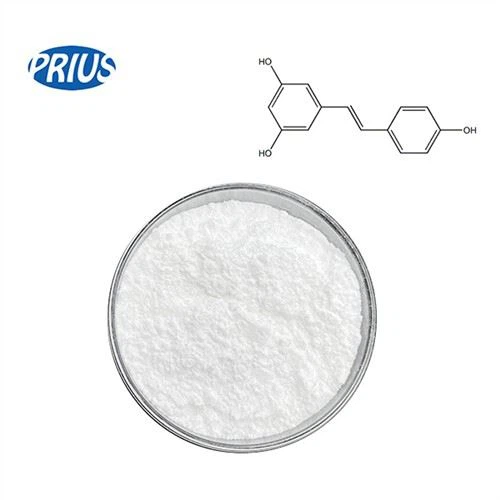

Anthocyanidins are a type of flavonoid pigments with a three-ring structure in plants. Anthocyanidins in their natural state exist in the form of glycosides, called anthocyanins, which are widely distributed in the plant kingdom and have bright colors such as red, blue, and purple. The colors of flowers, fruits, leaves, and stems are often related to them.
Anthocyanidins can resist oxidation, keep you younger, and help prevent common chronic diseases.
The "Dietary Nutrient Reference Intake for Chinese Residents (2013 Edition)" gives a specific recommended value for anthocyanidins, which is 50 mg/day.
What food is highest in anthocyanins?
The anthocyanin content of black wolfberry is 3264~7286 mg/100g, which is the highest among common foods, followed by purple sweet potato, grape, blueberry and black rice.

What is the function of anthocyanin?
Research shows that increasing the intake of anthocyanins can significantly reduce the risk of coronary heart disease by 12% to 32%, and the relative risk of myocardial infarction will be reduced by 17%.
Eye protection:
Anthocyanins are powerful antioxidants that have a good protective effect on vision. They can prevent light-induced photoreceptor cell death and promote resynthesis of retinoids. They can prevent severe myopia and retinal detachment, improve vision, and protect the eyesight. Eyes are less damaged by free radicals.
Many people suffer from dry eye syndrome. Anthocyanins can improve tear film break-up time, intraocular pressure, and ocular surface diseases, making patients feel more comfortable around the eyes. In addition, it has a preventive effect on age-related macular degeneration and glaucoma.
Antioxidant:
The antioxidant mechanism of anthocyanins is mainly manifested in reducing the accumulation of reactive oxygen species (ROS), scavenging free radicals, and activating the enzyme antioxidant system.
Protective effects against neurodegenerative diseases
Epidemiological studies have shown that long-term intake of foods rich in anthocyanins and other flavonoids can significantly improve memory ability, improve cognitive impairment in the elderly, and slow down the occurrence of neurological diseases to a certain extent. In addition, it was also found that high intake of anthocyanins is significantly associated with a lower incidence of Parkinson's disease, slows age-related neurodegeneration, inhibits neuroinflammation, and improves cognition.
Reference
[1]. Cassidy, A.; Bertoia, M.; Chiuve, S.; Flint, A.; Forman, J.; Rimm, E.B. Habitual intake of anthocyanins and flavanones and risk of cardiovascular disease in men. Am. J. Clin. Nutr. 2016, 104, 587–594.
[2]. McCullough, M.L.; Peterson, J.J.; Patel, R.; Jacques, P.F.; Shah, R.; Dwyer, J.T. Flavonoid intake and cardiovascular disease mortality in a prospective cohort of US adults. Am. J. Clin. Nutr. 2012, 95, 454–464.