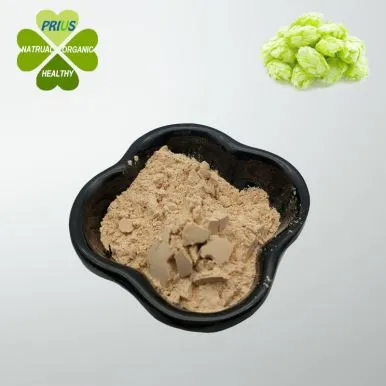


Fucoxanthin | Natural Brown Algae-Derived Xanthophyll Antioxidant for Nutraceutical & Cosmetic Applications
What Is Fucoxanthin?
First isolated in 1914 by Willstätter and Page from brown algae species including Fucophylla, Dictyosophila and Laminaria, fucoxanthin is a natural bioactive pigment belonging to the xanthophyll subclass of carotenoids. Its unique chemical structure, functionalized with epoxy, hydroxyl, carbonyl and carboxyl groups, is recognized as the molecular foundation for its distinctive biological activities.
Substantial scientific evidence supports the broad nutritional and pharmaceutical potential of fucoxanthin in promoting human health. As a high-value marine bioactive ingredient, fucoxanthin powder has seen rapidly growing adoption in the nutraceutical, pharmaceutical and personal care industries.

|
Item |
Specification |
Results |
|
Appearance |
Brown Powder |
Conforms |
|
Purity |
≥5.0 g/100g |
5.6 g/100g |
|
Loss On Drying |
≤10.0g/100g |
8.9g/100g |
|
Lead |
≤1.0mg/100g |
0.6mg/100g |
|
Aerobic Bacterial Count |
≤1000CFU/g |
200CFU/g |
|
Mold |
≤300CFU/g |
80CFU/g |
|
Coliform Bacteria |
<3.0MPN/g |
3.0MPN/g |
|
Pathogenic Bacteria(Salmonella,Staphylococcus Aureus) |
Negative |
Not detected |
Core Biological Activities & Research Evidence
Animal model studies and in vitro research have validated multiple physiological benefits of fucoxanthin, covering oxidative defense, metabolic regulation and systemic organ protection:
1. Potent Antioxidant Activity
As an effective natural free radical scavenger, fucoxanthin delivers robust antioxidant performance verified by multiple experimental models. In cell-free in vitro assays, brown algae-extracted fucoxanthin exhibits marked DPPH free radical scavenging capacity and iron-chelating activity. Further studies demonstrate that fucoxanthin effectively inhibits intracellular reactive oxygen species (ROS) formation, reduces DNA damage and attenuates H₂O₂-induced apoptosis. These protective effects are closely associated with fucoxanthin's ability to upregulate cellular catalase activity, providing multi-layered defense against oxidative stress.
2. Metabolic Health & Lipid Regulation Support
Research indicates that fucoxanthin may alleviate lipid metabolism disorders and insulin resistance induced by high-fat diets, acting through multiple hepatic and systemic pathways:
Reduces visceral fat mass and hyperinsulinemia
Suppresses excessive hepatic glucose production and lipogenesis
Modulates the activity of key hepatic glucose-regulating enzymes These properties make it a premium functional raw material for weight management and metabolic health formulations.
3. Cardiovascular & Neuroprotective Benefits
Fucoxanthin supports cardiovascular health by improving blood lipid profiles, lowering major cardiovascular risk factors, and increasing DHA content in the liver. It has also been found to slow the formation of atherosclerotic plaques, delivering long-term vascular protection. In addition, fucoxanthin significantly reduces neuronal cell damage during hypoxia-reoxygenation processes, exerting a direct neuroprotective effect.
Wide Industry Applications
As a fast-emerging marine bioactive ingredient, fucoxanthin is gaining increasingly widespread application across multiple sectors:
Nutraceuticals & dietary supplements: Core functional ingredient for antioxidant, weight management and cardiovascular health support formulas
Pharmaceutical R&D: Research material for metabolic, cardiovascular and neuroprotective drug development
Cosmetics & personal care: Active component for anti-aging, antioxidative skincare formulations
Reference
[1]. Hossain MF, Rashid M, Burniston T, Wu MAW, Kataye KA, et al. (2019) Evaluation of Fucoxanthin Content in Popular Weight Loss Supplements: The Case for Stricter Regulation of Dietary Supplements. J Obes Weight-Loss Medic 5:031. doi.org/10.23937/2572-4010.1510031
[2]. Piovan A, Seraglia R, Bresin B, Caniato R, Filippini R. Fucoxanthin from Undaria pinnatifida: photostability and coextractive effects. Molecules. 2013 May 29;18(6):6298-310. doi: 10.3390/molecules18066298. PMID: 23760030; PMCID: PMC6270627.
[3].Md. Mohibbullah, Md. Nazmul Haque , Abdullah Al Mamun Sohag,.et al.A Systematic Review on Marine Algae-Derived Fucoxanthin: An Update of Pharmacological Insights.Mar. Drugs 2022, 20, 279.


Q: What is fucoxanthin, and where does it come from? A: Fucoxanthin is a natural bioactive pigment belonging to the xanthophyll subclass of carotenoids. It is primarily extracted from brown algae species including Laminaria, Undaria pinnatifida and Fucus. First isolated in 1914, its unique molecular structure - functionalized with epoxy, hydroxyl, carbonyl and carboxyl groups - is the core basis for its distinctive biological activities.
Q: How is fucoxanthin different from common carotenoids like beta-carotene or lutein? A: While all belong to the carotenoid family, fucoxanthin has a unique structural configuration and functional profile. Beyond general antioxidant effects, fucoxanthin exhibits specific physiological activity in metabolic regulation, visceral fat management and hepatic lipid modulation, making it a high-value marine-derived active ingredient distinct from terrestrial carotenoids.
Quality & Specifications
Q: What is the purity specification of your fucoxanthin powder? A: Our standard commercial fucoxanthin powder has a guaranteed minimum content of 5.0 g per 100g, with actual typical batch results reaching 5.6 g/100g. Every batch undergoes full-item quality testing covering physical properties, moisture, heavy metals and microbial indicators, with complete batch traceability.
Q: What quality and safety standards does your fucoxanthin meet? A: Our fucoxanthin is produced under standardized plant extraction processes and strict quality control systems:
Heavy metal lead content is controlled below 1.0 mg/100g
Total aerobic bacterial count ≤1000 CFU/g, mold ≤300 CFU/g
Pathogenic bacteria (Salmonella, Staphylococcus aureus) are confirmed negative per batch
The product is non-GMO and free of artificial additives We provide official Certificate of Analysis (COA) for each batch upon request.
Q: What test methods do you use for quality verification? A: Fucoxanthin content is quantified via spectrophotometric detection aligned with industry standards. Heavy metals are tested by atomic absorption spectrometry, and microbial indicators follow standard food and nutraceutical microbiological testing protocols. All test items and methods are clearly stated in the batch COA.
Hot Tags: brown seaweed extract fucoxanthin, China brown seaweed extract fucoxanthin manufacturers, suppliers, factory, GABA CAS 56 12 2, Brown algae extract powder, Hydrolyzed fish collagen, Tomato Extract CAS 502 65 8, dha docosahexaenoic acid, SOD CAS 9054 89 1